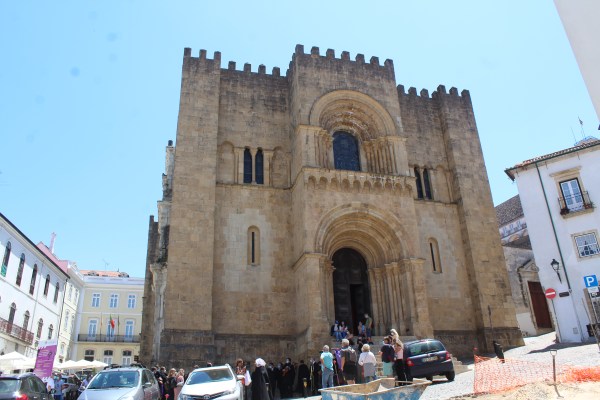
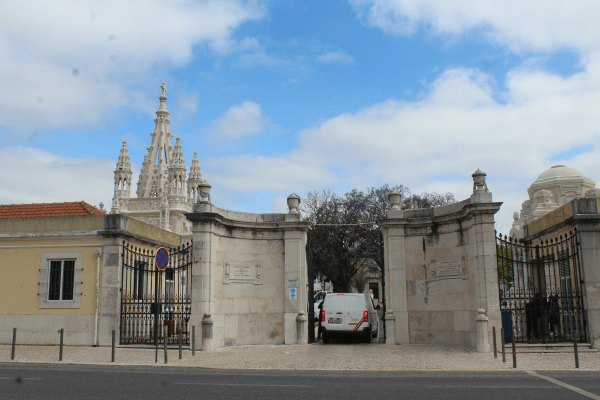
The Cathedral was build in the middle of the 12th Century in the style of the Romans. At begin of the 13th Century it was build the way of the Cross in the style in a mix of Roman and Gothic time. Until the Year 1772 it was the Cathedral of the Diocese of Coimbra, then the church of the Jesuit College was appointed as the new Cathedral. The old cathedral was declared a national monument in 1910.

Coimbra, Portugal part 1 – Impressionen
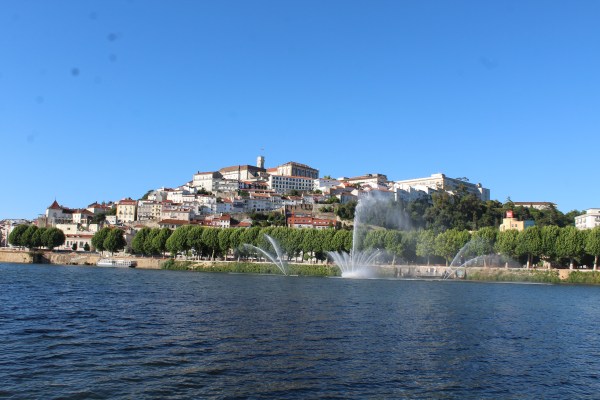
Coimbra is the Capital of the District of Coimbra and is on the River Mondega. The University City have round about a population of 143`000, 30`000 of them are Student`s. In the time from 1139 until 1256 Coimbra was the 2nd Capital in the History of Portugal.
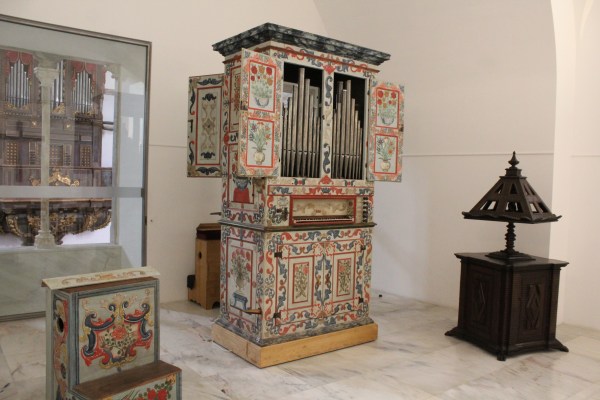
Evorá, Portugal part 7, Evora Museum
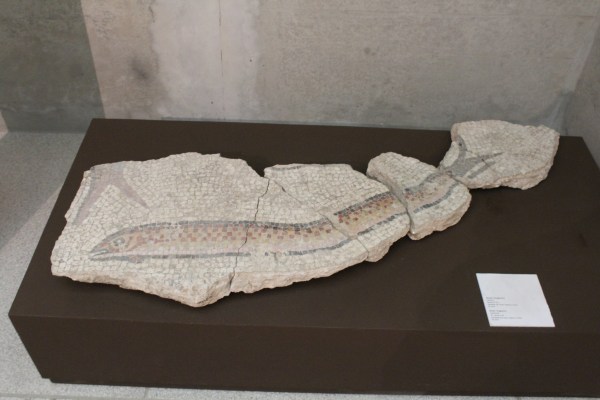
The Museum show the culture and the history of Evora. It Start in the Late – Neolithic time end finish in the 20th Century, across the times of Iron – time, Moors, Romans, the time of the Kings in Evora.
Evora, Portugal part 6 – Watch Museum
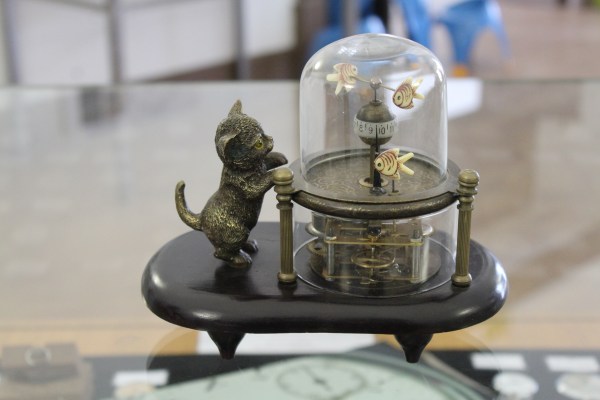
It all started in 1972 when António Tavares d'Almeida (1948-2012), the driving force of this space, inherited, from his grandparents, three broken pocket watches. From then on, this collector searched for watches all over the country and world, aiming the restoration and increase of the collection.
Èvora, Portugal part 5 – Museum church São Francisco
The 2014-2015 work restored the area of the former dormitory, situated over the Chapter House and the Chapel of Bones, unused since the late 19th century. A small museum has been established...
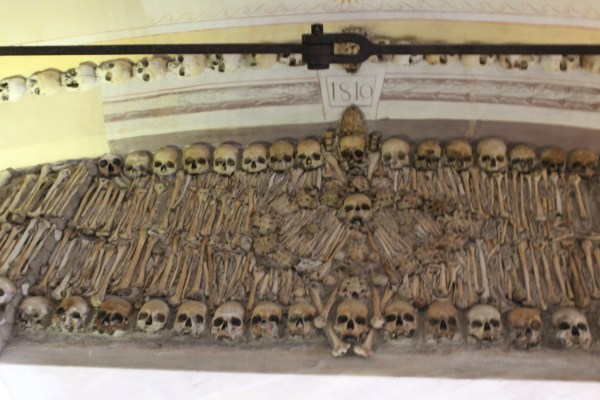
Évora, Portugal part 4 – Chapel of Bone’s
This chapel was built in the 17th century, in a style popular at the time, in order to encourage reflection on the transitory nature of human life and the consequent commitment to living a constant Christian life.
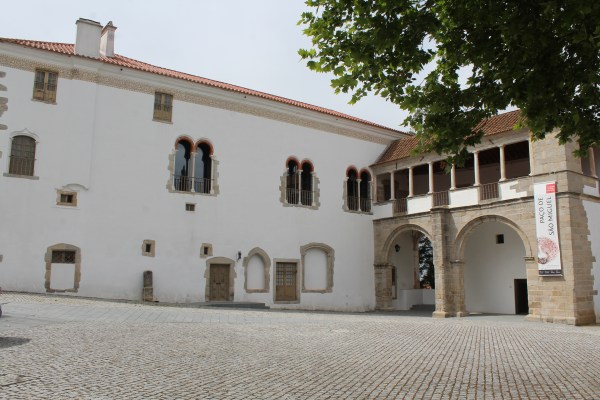
Èvora, Portugal part 2 – Palace of King Manuel I.
The Palace of King Manuel I. was a residence of the Portuguese Kings in Portugal. At begin of the history of the Palace it was a monastery of Franciscans Monks...
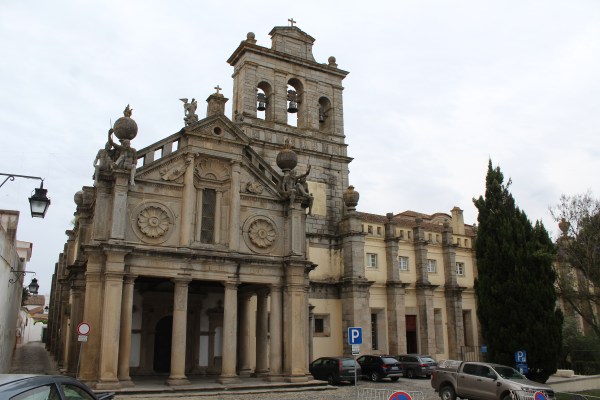
Évora, Portugal part 1 – Impression’s
One of Portugal’s most beautifully medieval town, Évora is a great place to fall into the past of the history. Inside the 14th-century walls, Évora’s narrow...
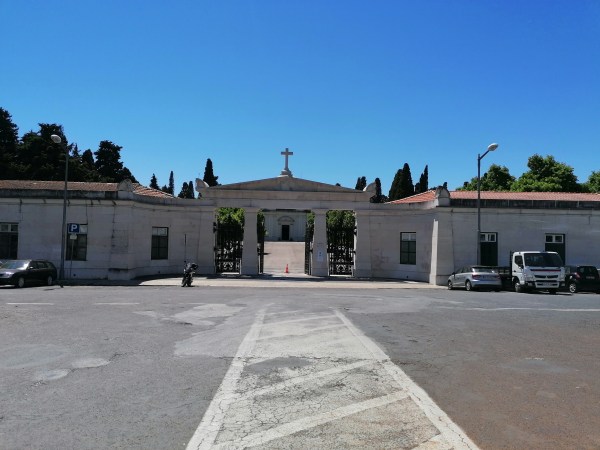
Historical Cemetery of Lisbon part 1 – Cemitério São João
The Cemetery was built in the Year 1833 in name of Queen Maria II. of Portugal, when was the Cholera epidemic in Lisbon.
Park Monsanto – Lisbon, Portugal
With circa 800 hectare is the "Parque Florestal de Monsanto" the biggest Park of Lisbon and is in the West of the City
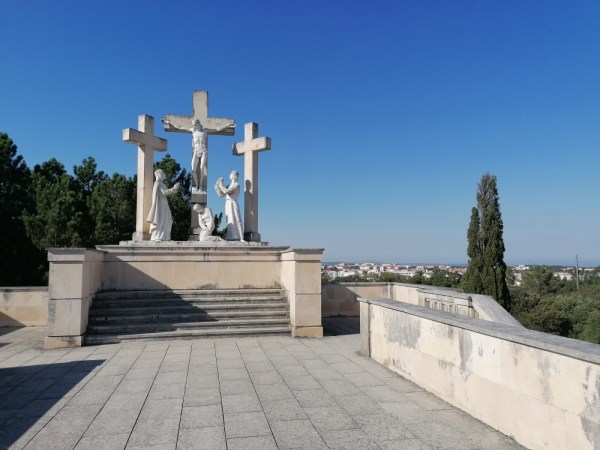
Fatíma, Portugal part 1 – Hungarian Way of the Cross
The Start of the Hungarian Way of the Cross is at the circle of the Holy Theresia of Ourém. This was the way this shepherd children's use usually.
Historical Cemetery of Lisbon part 1 – Cemitério dos Prazeres
You will have a very great few to the "Ponte 25. Abril" from the Area of the Firefighter on the Cemetery. Before the Area was a Cemetery, it was a Place for relaxing.
Sines part 2 – Historical Sines
The Portuguese national hero "Vasco da Gama" was born around 1469 in Sines...
Sines part 1 – Sines Railway station
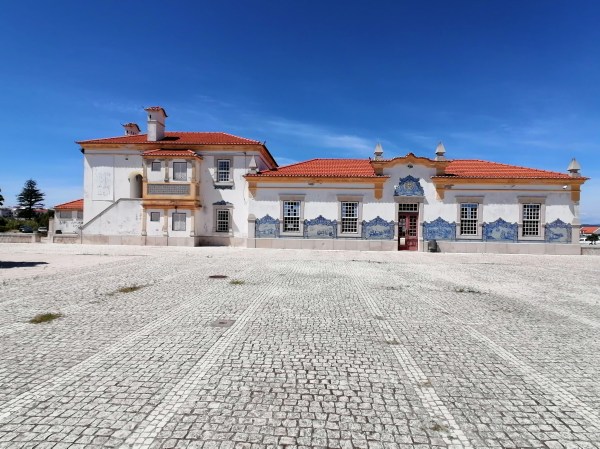
The Sines Railway station was opened at the 14th September 1936 and was closed in the Year 1990...
Bridge of the 25th April, Lisbon, Portugal
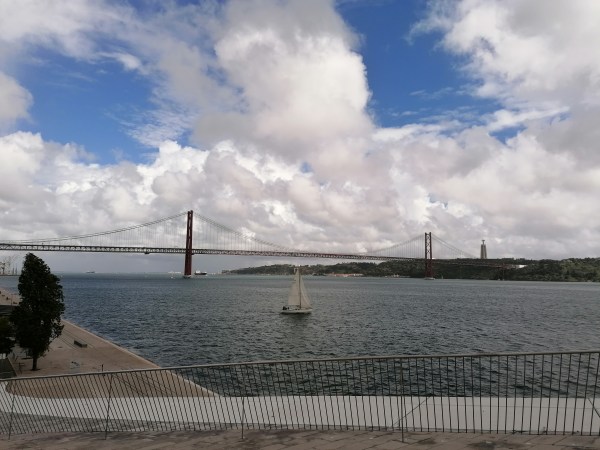
The Bridge of the 25th April was build in 1966 and is with 2278 meters the 3rd longest Suspension Bridge in the World.