Portugal´s west coast, Praia da Foz to Sagres Part 2
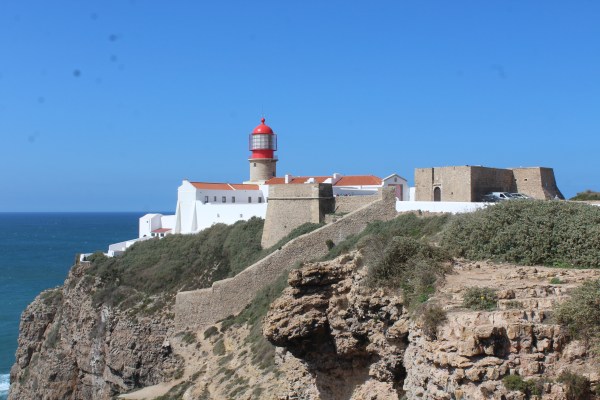
The Fortaleza de Sagres is located on the 1,000 meter long and 300 meter wide headland Ponta de Sagres. It is a national monument with great importance for the Portuguese. In the 15th century Infant D. Henrique had a mighty fortress built, in which he died in 1460. Through Henry the Navigator, Sagres achieved world fame, because it is thanks to his work that the place played a unique role in the history of Portugal and will forever be associated with the Portuguese voyages of discovery.

Portugal´s west coast, Nazaré to Boca do Inferno – Part 1

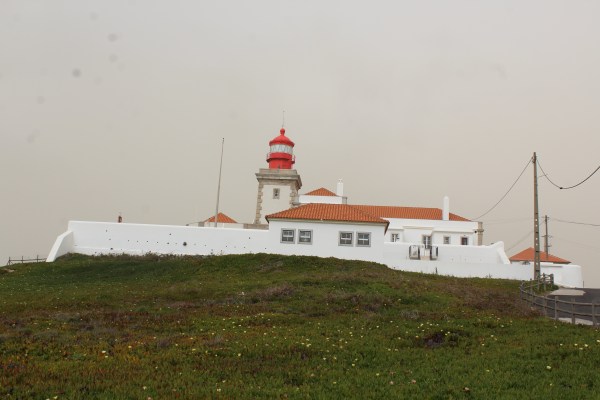
The beach town of NAZARÈ, with its mild climate and natural beauty, has very ancient traditions associated with the artisanship of fishing. CABO DA ROCA is the westernmost point of the mainland of the European continent. It is located in Portugal on the Atlantic coast west of Lisbon at an altitude of 140 meters above sea level. Cabo da Roca belongs to the municipality of Colares in the district of Sintra. On the Costa da Guia not far from Lisbon, lies a fascinating geological phenomenon: the BOCA DO INFERO - the Hell's Mouth. It is a gorge or cave connected to the Atlantic Ocean by a rocky gate.

Mértola, Town of History – Portugal

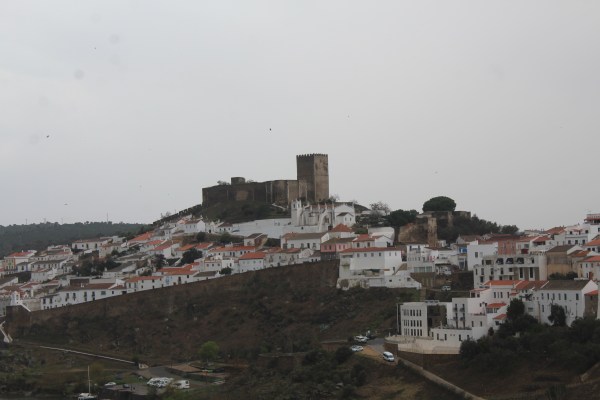
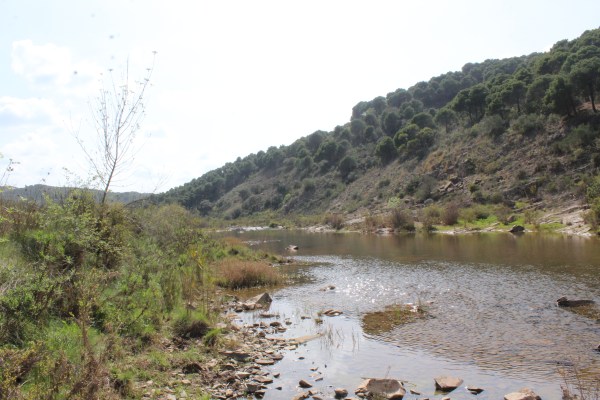
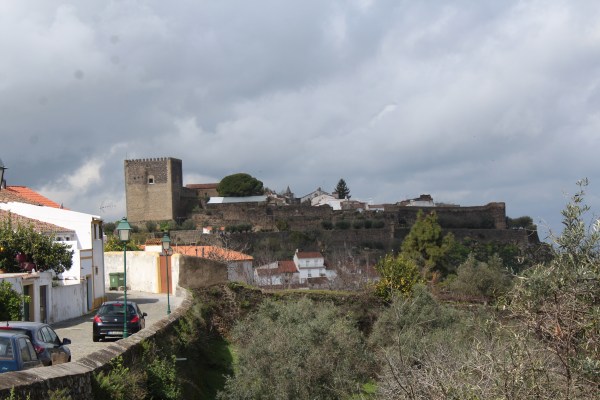
The small town was declared a Museum Village due to its vast archaeological collection and its historical importance. It is the seat of the sixth largest municipality in Portugal, where there are also natural beauties, such as the Parque Natural do Vale do Guadiana.

Parque Natural do Vale do Guadiana, Down Alentejo – Portugal

There are about 100 archaeological sites in the park. They start from the Upper Paleolithic period. The settlement of Mértola dates back to around 1000 BC, Serpa may also date back to pre-Roman times. The Romans called Mertola Iulia Myrtilis, relics of this epoch were found mainly at Largo da Câmara. Remains of a Roman villa were found near Serpa.

Serpa, The white City – Portugal

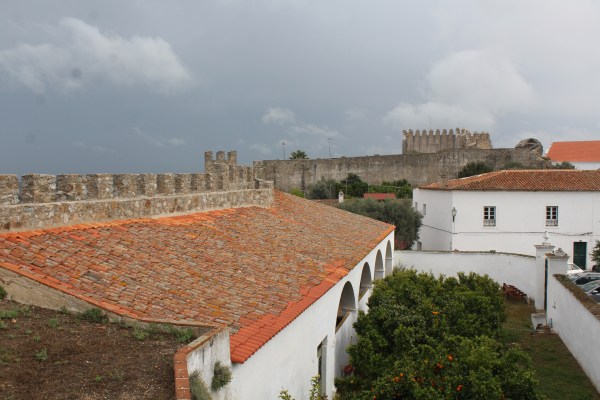
Because the White houses in the old town the city will be called also white city. The first traces of human settlement date back to 3000 years before Christ. Serpa is definitely a city that deserves a visit with its over 5000 years of history from the medieval time, the Muslim takeover, the Spanish-Portuguese wars.

Castelo de Vide, Portugal

In the old town there are picturesque streets with houses from the 14th, 15th and 16th centuries with pointed arches and white painted facades. The Jewish Virtel, with its 15th century synagogue, is also noteworthy. In Castelo de Vide is also the Yellow House, where the famous statesman Mouyinho da Silveira lived.

Praia da Ursa ( Beach Ursa) – Sintra, Portugal

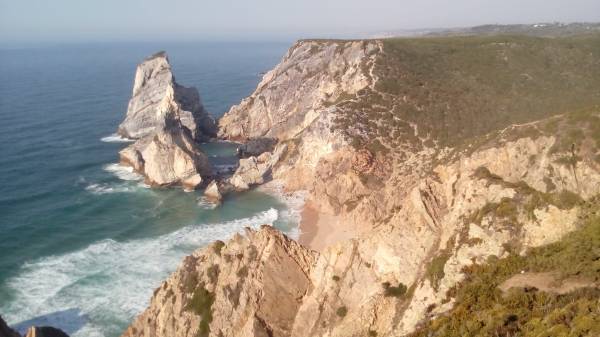
Behind the rugged cliffs of the Sintra coast hides one of the purest and most beautiful beaches in Portugal. It is the Praia da Ursa (Beach Ursa), considered the most western beach in Portugal and continental Europe. The place is located near Lisbon.

Shrine of Christ the King, Almada, Portugal

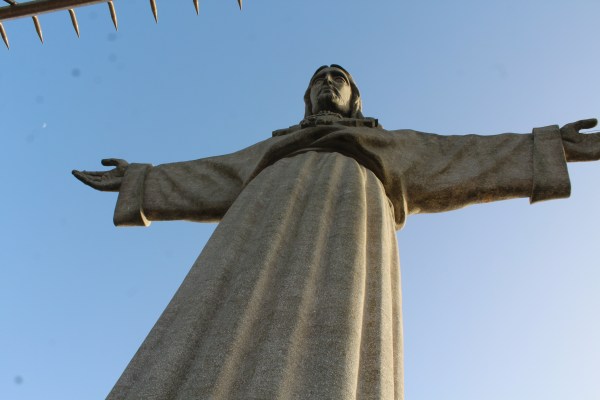
The Monument was Inaugurated at 17th May 1959 with a Statue of our Lady of Fatíma, a Radio Message of Pope John XXIII. and with all Portuguese Bishops and at guests the cardinals of Maputo (Mozambique) and of Rio de Janeiro (Brazil). Also come some of authority's and round about 300´000 people. The Statement of Cardinal Patriarch Cerejeira was: "This will be a sign of national gratitude for the gift of peace."

Experience Pillar 7 – Bridge 25th April, Lisbon, Portugal

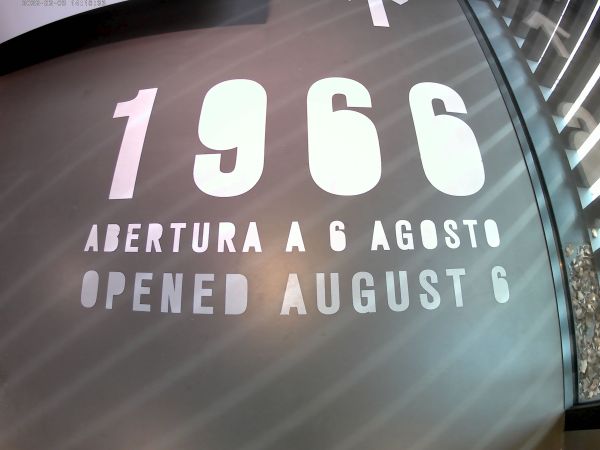
The interactive exhibition "Bridge Experience - Pillar 7"is in the Bridge Pillar 7 of the Bridge of the 25th April in Alcântara, Lisbon. The Bridge of the 25th April is one of the most beautiful Bridges in the World.

Lisbon, Portugal – Church of our Lady Mary of Sorrows

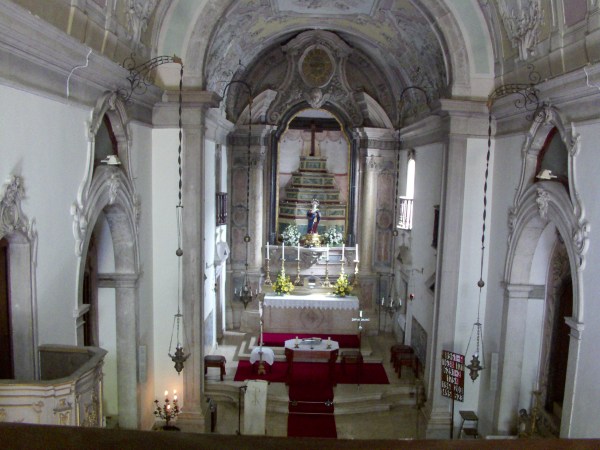
After the big Earthquake in 1755, was build the Church Nossa Senhora das Dores (Our Lady of the Pain) at one of the first from 1772 until 1783. The statue of the painful Lady Mary, this is standing now over the High altar. Before, the statue was in a church this was destroyed in a Church at the big earthquake in 1755, the statue was found without any issues.

Coimbra, Portugal part 6 – Torre de Anto, Centre of Guitar and Fado of Coimbra

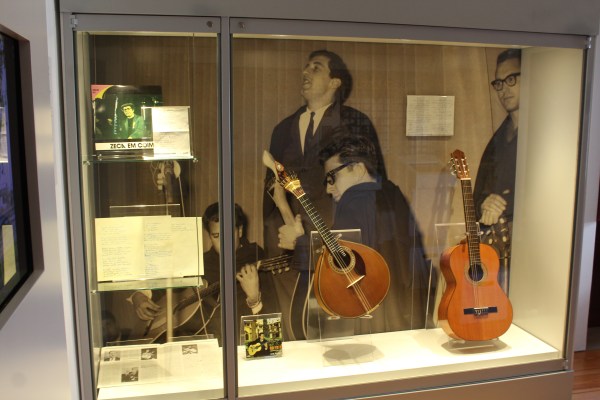
he Tower of the medieval time (16th century) is intigrated in the old City wall of Coimbra. It was adapted to be a residence during the reign of King Dom Manuel I.

Coimbra, Portugal part 5 – Cloister of Manga

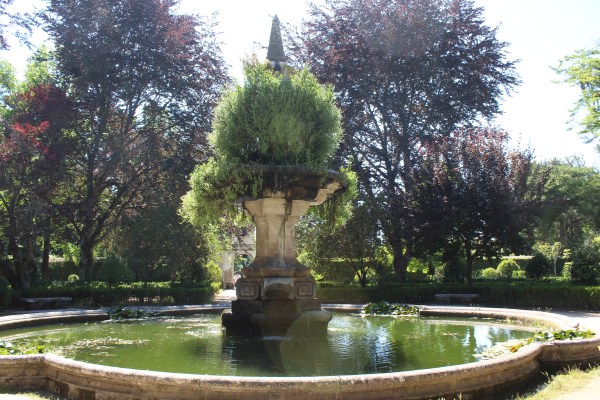
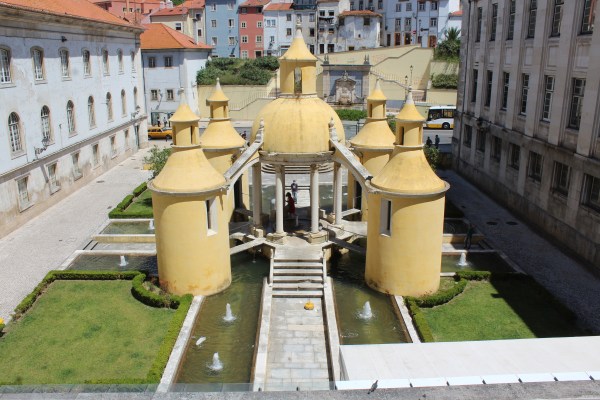
The Jardim da Manga, also known as Cloister of Manga, is a Renaissance architectural work with fountains, located behind the Santa Cruz Monastery in Coimbra, Portugal. It has been classified as a National Monument since 1934.

Coimbra, Portugal part 4 – Monastery Church Santa Cruz

The portal facade was built in two construction phases. Between 1507 and 1513 the two mighty towers were built. The portal was designed by the master builder Diego de Castillo and executed between 1522 and 1526 by Nicolas de Chantereine.

Coimbra, Portugal part 3 – The new Cathedral

The new Cathedral was build in 100 Years from 1598 until 1698 from the order of the Jesuits. After the abolition and expulsion of the Jesuits in the 1750th, the church was used from the University of Coimbra and become in the Year 1772 the creation to the new Cathedral and Bishop Church of the Diocese of Coimbra.

Create a website or blog at WordPress.com

Up ↑