
Hiking on the Caminho de Fatima Trail
Caminho de Fátima, Portugal
Hiking on the Caminho de Fatima Trail
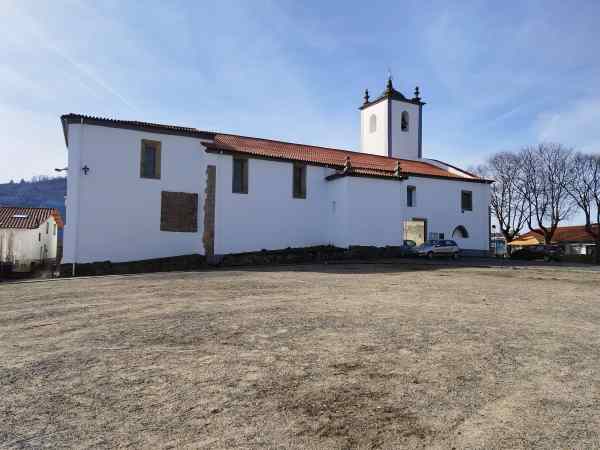
The Church of Santa Maria da Assunção, also known as our lady of Sardão, is located in the central area of the citadel, between the castle and the Municipal Domus. It is believed to have been already in the 13th century (romanic)...
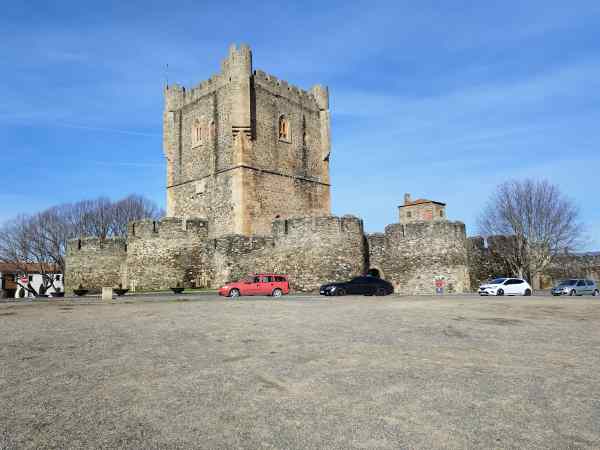
Bragança is a charming town with a rich history, full of ancient stones and a well-preserved historic center. Key highlights include a stunning 14th-century castle, the unique Domus Municipalis, and beautiful churches. Cobblestone streets lead to impressive manor houses from the 16th and 17th centuries, making it a great place to explore.
The building's design, created by Portuguese architect José Marques da Silva, was initiated on August 6, 1930, and heavily influenced by Art Deco style. A fire in 1939 delayed its completion, which occurred on September 14, 1947, shortly after Marques da Silva's passing.
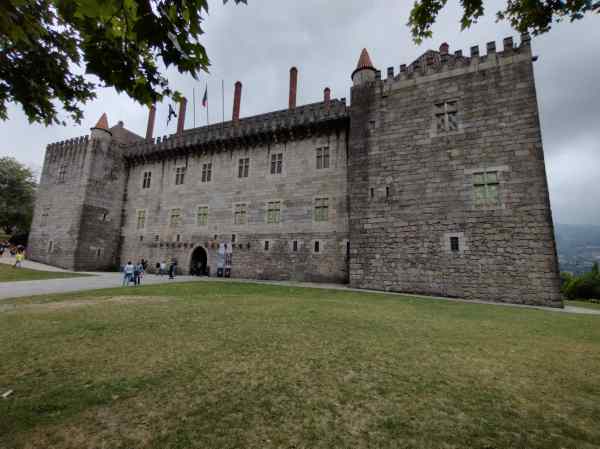
The Palace of the Dukes of Bragança, built in 1420 by Dom Afonso, showcases a blend of traditional and European architectural styles. After being the royal residence, it fell into decay until restoration began in the 20th century. Today, it serves as a museum featuring 17th and 18th-century exhibits.
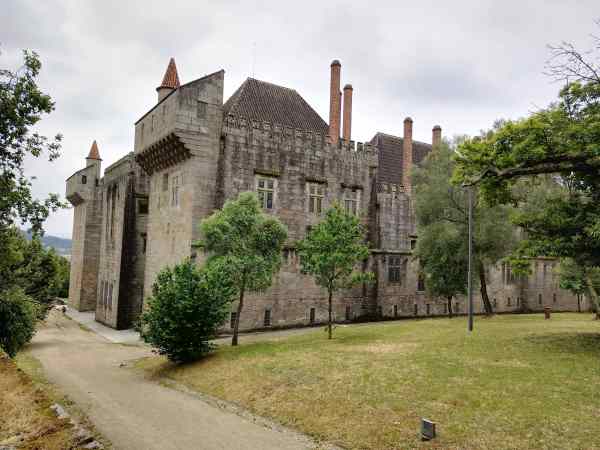
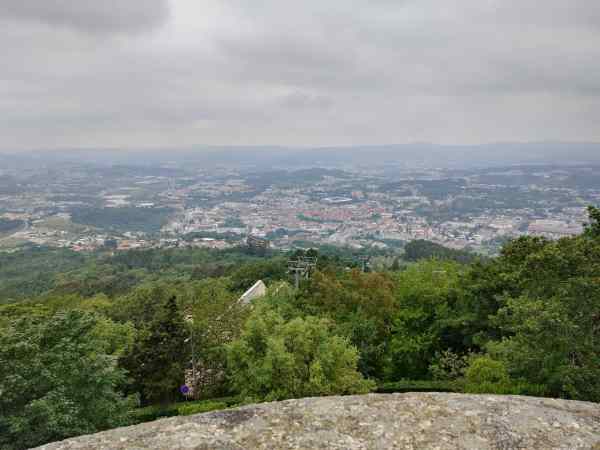
Guimarães, the first capital of Portugal, is a historically rich city in northern Portugal with approximately 158,000 residents. It was the birthplace of Dom Afonso I, the first king. Recognized as a UNESCO World Heritage site, it boasts significant landmarks like the 10th-century castle and the chapel of São Miguel. Accessible by train, bus, and car, Guimarães also features the Sanctuary da Penha with stunning views.
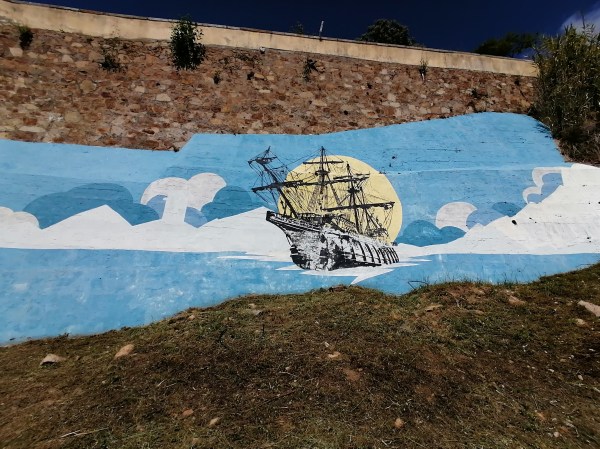
Sines, Portugal - City of Vasco da Gama - Video
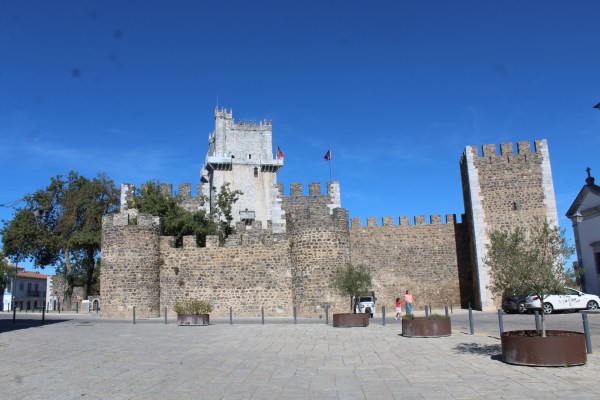
The Castle Medieval fortification that is the most emblematic monument of the city. Its Keep, with almost 40 meters high, is considered by some authors as the highest military tower in the country.The Castle of Beja, namely its Keep, is the city's best known and most emblematic monument. It is a Gothic fortress, whose construction... Continue Reading →
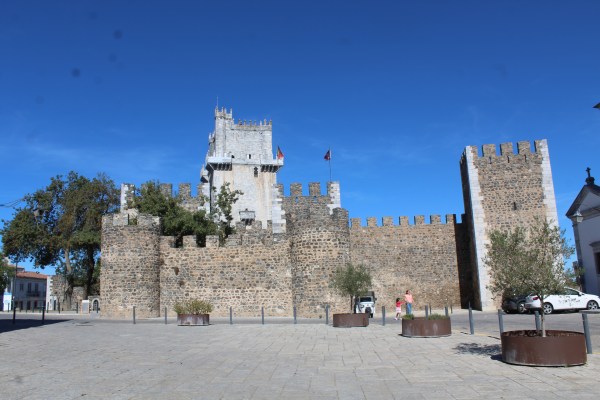
Visible from afar is the mighty fort, rebuilt in the 13th century by King Dinis. From there you have a magnificent view over the wide plains of the Alentejo with its cornfields and gnarled olive trees. During a tour of the city, you can easily orientate yourself by the imposing, almost 40 meter high tower of the fort, the "Torre de Menagem". Also worth seeing is the church "Santa Amaro" near the fort, which dates back to the 6th century and is one of the oldest preserved buildings in Portugal.
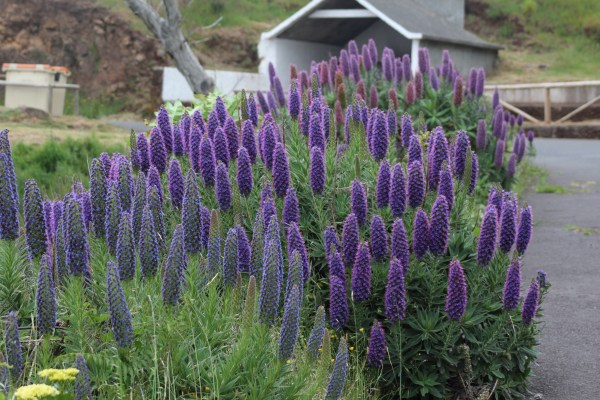
Madeira Island is home to numerous endemic species of fauna and flora. The geographical location and climatic conditions of this region provide unique conditions that guarantee their survival.
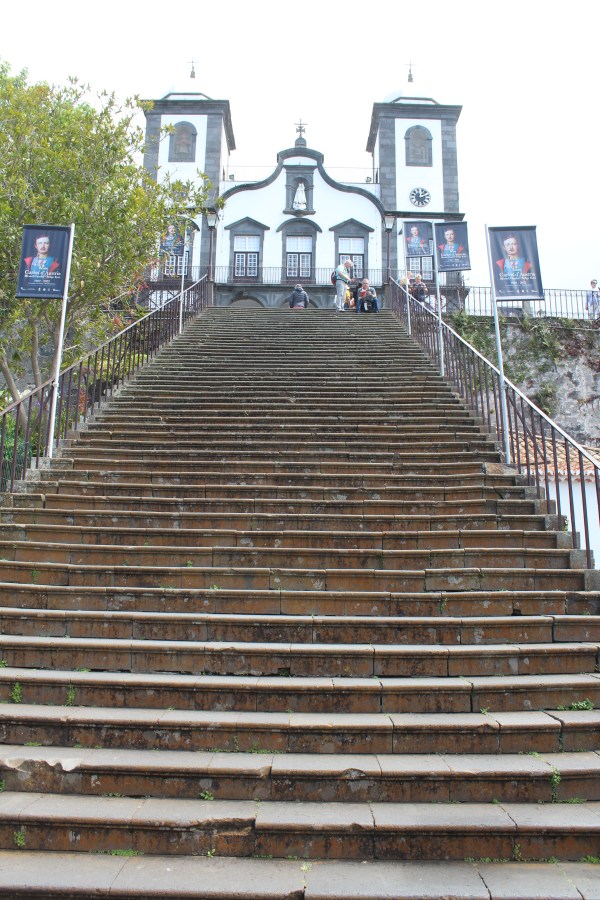
The Monte church, built in the 18th century, features eighteenth- and eighteenth-century architecture. In the left side chapel is the tomb of Charles of Habsburg, the last emperor of Austria, Hungary and Bohemia.
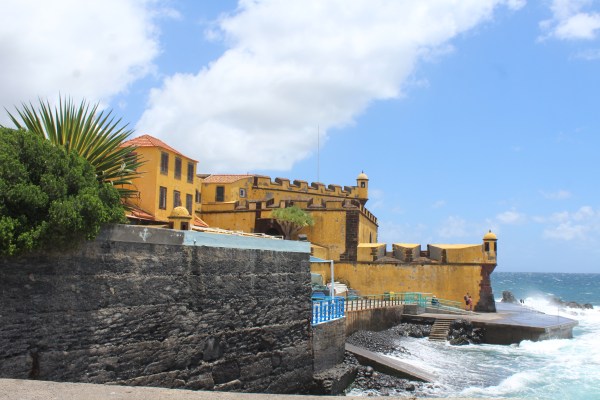
When you visit Funchal , you will notice at one point or another a pretty yellow building on the coast. This building is none other than the São Tiago Fortress in the historic center of the city. The Portuguese built the brick and stone fortress in 1614 to protect Funchal from pirate attacks and corsairs. This construction was probably long overdue, as pirates attacked the city in 1566.
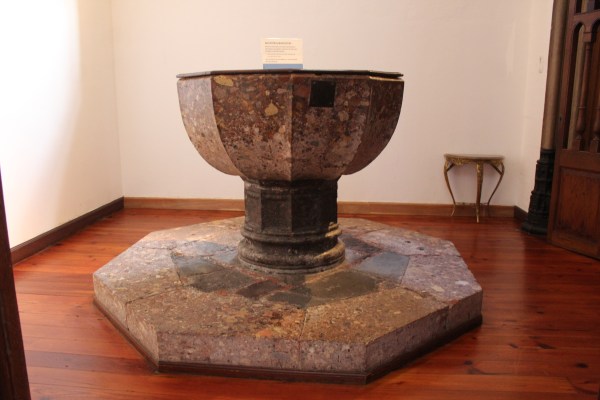
The Funchal Cathedral was founded in 1485 by order of D.Manuel I, who was so proud of the acquisition of the new island province that he decided to send Pero Anes, one of Lisbon's most important architects, to build it.
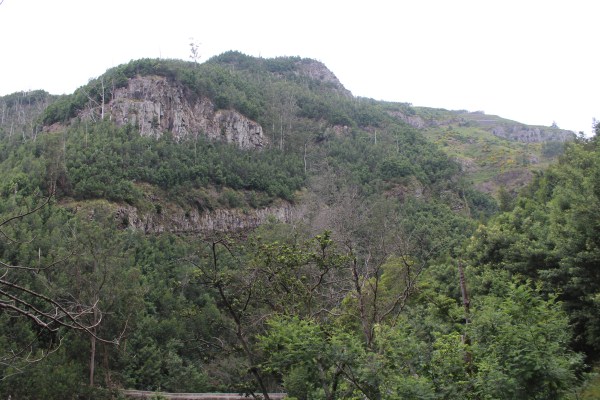
Madeira is famous for its levadas or artificial waterways, which are inserted into all types of slopes, whether forested and cultivated, through mountains or even in hostile cliffs. The term levada comes from the Portuguese word: levar, which means to carry.
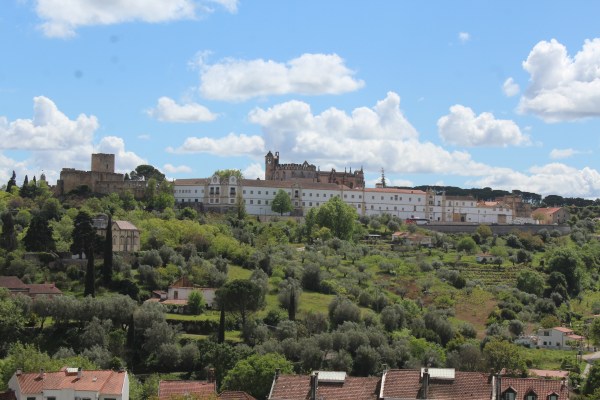
In 1160, the construction of a fort on the hill of Tomar began. It was built high up on a hill by the Tomar River and was considered impregnable by the enemies of the West. The original castle was joined by the first cloister just two years later, and seven more were to follow. For centuries, the Temples could be sure of the favor of the Portuguese kings and continued to expand the castle. Their financial resources were almost infinite.


Donation
If you like the Project and would like to help to make it better, a donation is welcome and help very much to create the content constantly .
€5.00



 Nature & Culture