Discover Guimarães: A Historical Gem of Portugal
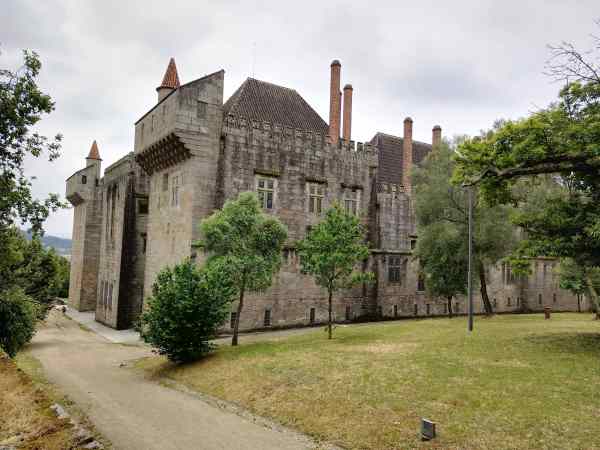
Guimarães, the first capital of Portugal, is a historically rich city in northern Portugal with approximately 158,000 residents. It was the birthplace of Dom Afonso I, the first king. Recognized as a UNESCO World Heritage site, it boasts significant landmarks like the 10th-century castle and the chapel of São Miguel. Accessible by train, bus, and car, Guimarães also features the Sanctuary da Penha with stunning views.

Castle Beja, Portugal

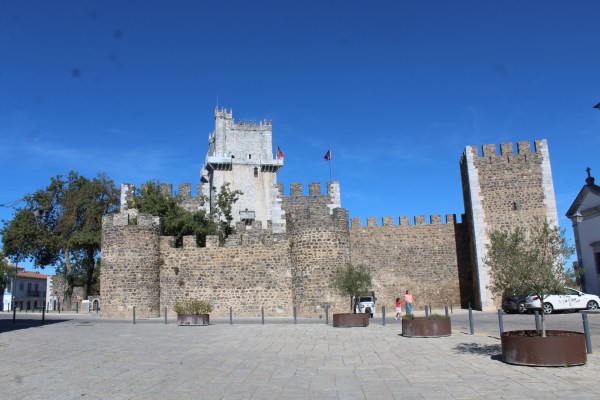
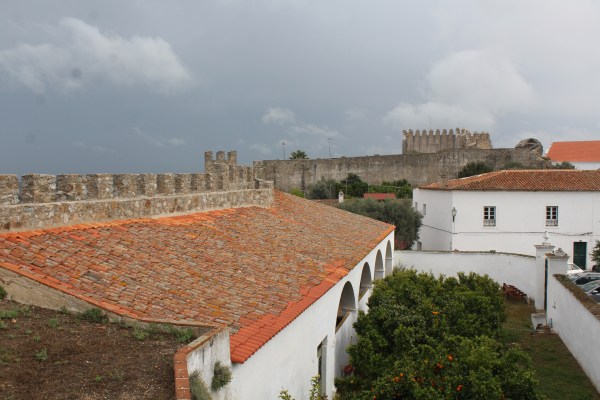
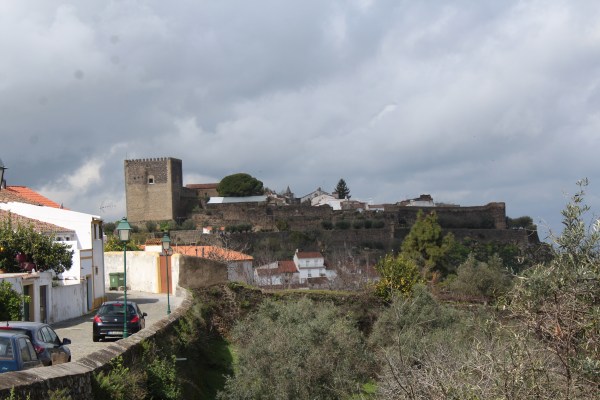
The Castle Medieval fortification that is the most emblematic monument of the city. Its Keep, with almost 40 meters high, is considered by some authors as the highest military tower in the country.The Castle of Beja, namely its Keep, is the city's best known and most emblematic monument. It is a Gothic fortress, whose construction... Continue Reading →

Beja -Capital of the southern Alentejo with a lot of history, Portugal

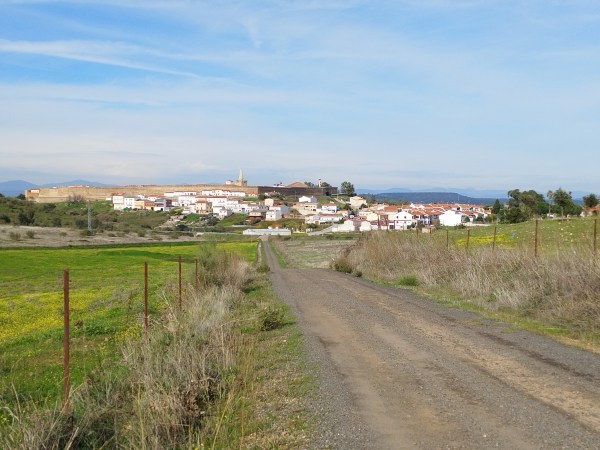
Visible from afar is the mighty fort, rebuilt in the 13th century by King Dinis. From there you have a magnificent view over the wide plains of the Alentejo with its cornfields and gnarled olive trees. During a tour of the city, you can easily orientate yourself by the imposing, almost 40 meter high tower of the fort, the "Torre de Menagem". Also worth seeing is the church "Santa Amaro" near the fort, which dates back to the 6th century and is one of the oldest preserved buildings in Portugal.

Fortress São Tiago in Funchal – Madeira, Portugal

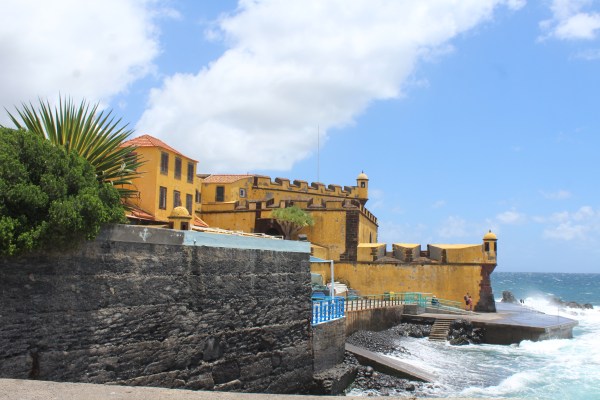
When you visit Funchal , you will notice at one point or another a pretty yellow building on the coast. This building is none other than the São Tiago Fortress in the historic center of the city. The Portuguese built the brick and stone fortress in 1614 to protect Funchal from pirate attacks and corsairs. This construction was probably long overdue, as pirates attacked the city in 1566.

The Cathedral of Funchal – Madeira, Portugal

The Funchal Cathedral was founded in 1485 by order of D.Manuel I, who was so proud of the acquisition of the new island province that he decided to send Pero Anes, one of Lisbon's most important architects, to build it.

Templar castle and monastery complex of Tomar – Portugal

In 1160, the construction of a fort on the hill of Tomar began. It was built high up on a hill by the Tomar River and was considered impregnable by the enemies of the West. The original castle was joined by the first cloister just two years later, and seven more were to follow. For centuries, the Temples could be sure of the favor of the Portuguese kings and continued to expand the castle. Their financial resources were almost infinite.

Parque Natural do Vale do Guadiana, Down Alentejo – Portugal

There are about 100 archaeological sites in the park. They start from the Upper Paleolithic period. The settlement of Mértola dates back to around 1000 BC, Serpa may also date back to pre-Roman times. The Romans called Mertola Iulia Myrtilis, relics of this epoch were found mainly at Largo da Câmara. Remains of a Roman villa were found near Serpa.

Serpa, The white City – Portugal

Because the White houses in the old town the city will be called also white city. The first traces of human settlement date back to 3000 years before Christ. Serpa is definitely a city that deserves a visit with its over 5000 years of history from the medieval time, the Muslim takeover, the Spanish-Portuguese wars.

Castelo de Vide, Portugal

In the old town there are picturesque streets with houses from the 14th, 15th and 16th centuries with pointed arches and white painted facades. The Jewish Virtel, with its 15th century synagogue, is also noteworthy. In Castelo de Vide is also the Yellow House, where the famous statesman Mouyinho da Silveira lived.

Lisbon, Portugal – Church of our Lady Mary of Sorrows

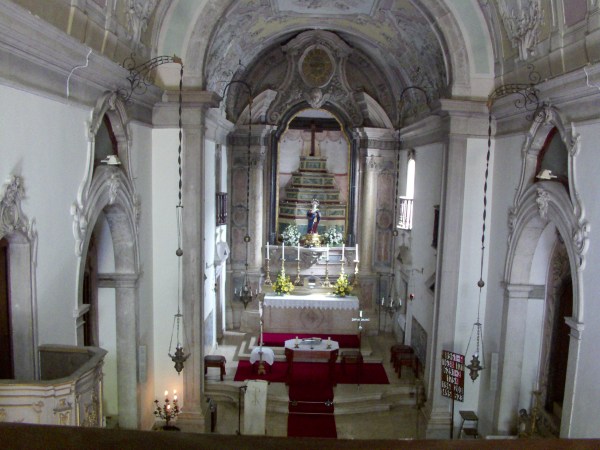
After the big Earthquake in 1755, was build the Church Nossa Senhora das Dores (Our Lady of the Pain) at one of the first from 1772 until 1783. The statue of the painful Lady Mary, this is standing now over the High altar. Before, the statue was in a church this was destroyed in a Church at the big earthquake in 1755, the statue was found without any issues.

Create a website or blog at WordPress.com

Up ↑