
On the outskirt of the town, there is a beautiful hermitage build in honor of the Patron of Calzadill de los Barros, Our Lady of the Incarnation (XVI century).
Hermitage “our Lady of the Incarnation” – Calzadilla de los Barros, Spain
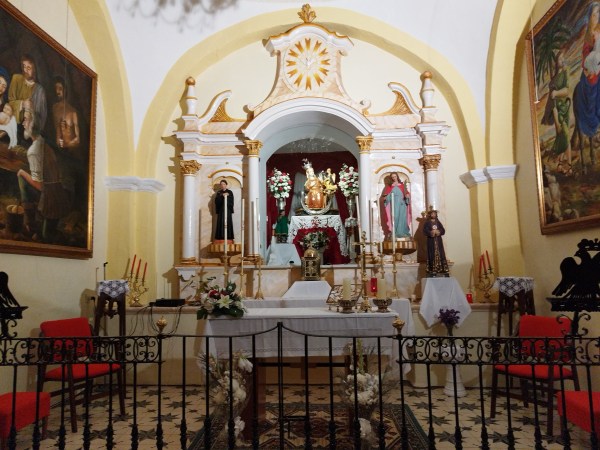
On the outskirt of the town, there is a beautiful hermitage build in honor of the Patron of Calzadill de los Barros, Our Lady of the Incarnation (XVI century).
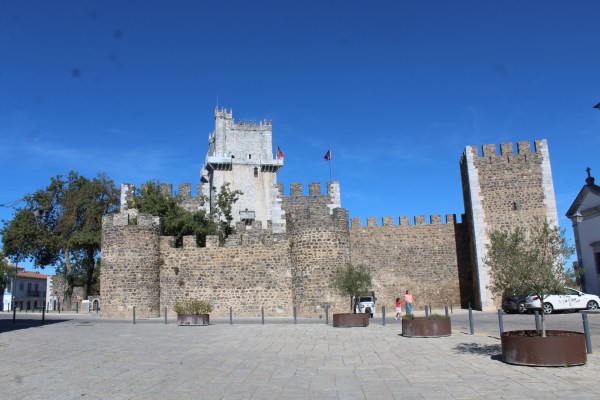
The Castle Medieval fortification that is the most emblematic monument of the city. Its Keep, with almost 40 meters high, is considered by some authors as the highest military tower in the country.The Castle of Beja, namely its Keep, is the city's best known and most emblematic monument. It is a Gothic fortress, whose construction... Continue Reading →
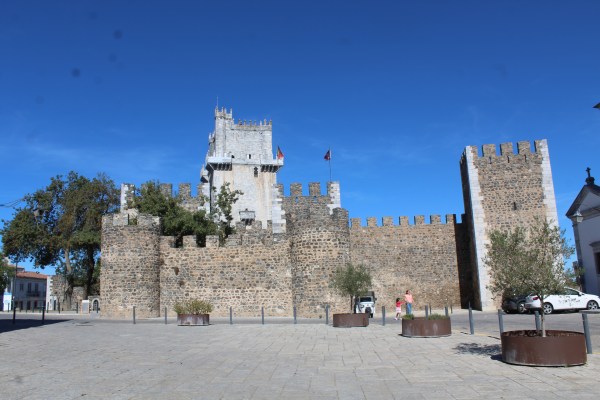
Visible from afar is the mighty fort, rebuilt in the 13th century by King Dinis. From there you have a magnificent view over the wide plains of the Alentejo with its cornfields and gnarled olive trees. During a tour of the city, you can easily orientate yourself by the imposing, almost 40 meter high tower of the fort, the "Torre de Menagem". Also worth seeing is the church "Santa Amaro" near the fort, which dates back to the 6th century and is one of the oldest preserved buildings in Portugal.
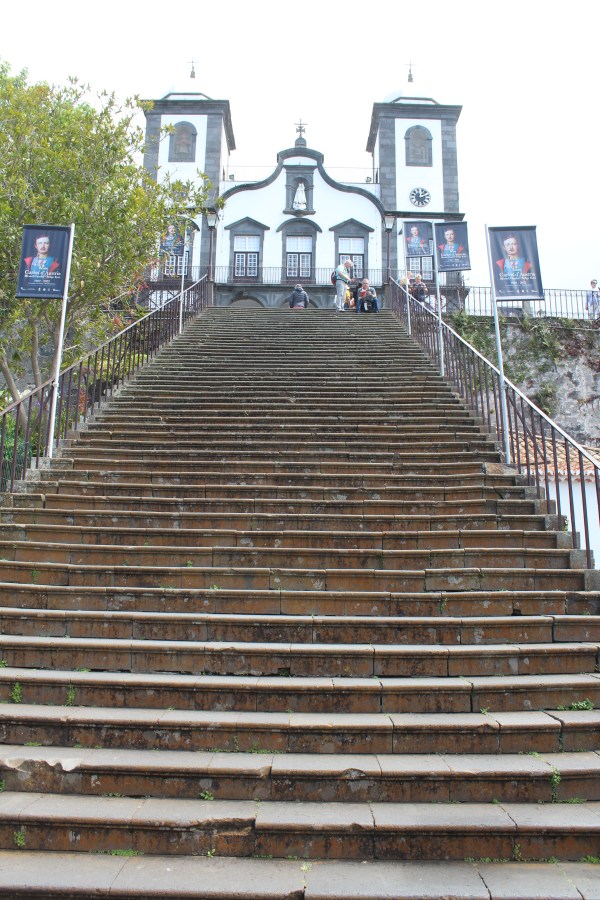
The Monte church, built in the 18th century, features eighteenth- and eighteenth-century architecture. In the left side chapel is the tomb of Charles of Habsburg, the last emperor of Austria, Hungary and Bohemia.
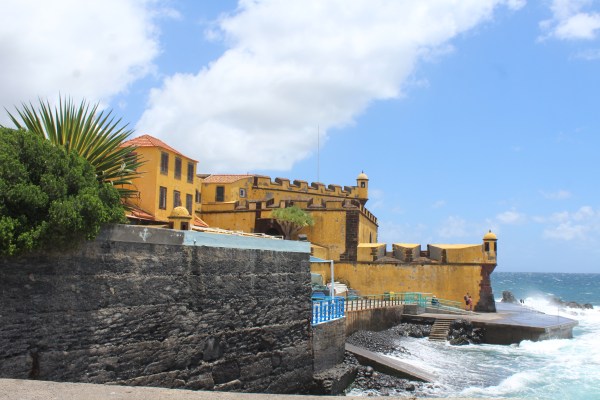
When you visit Funchal , you will notice at one point or another a pretty yellow building on the coast. This building is none other than the São Tiago Fortress in the historic center of the city. The Portuguese built the brick and stone fortress in 1614 to protect Funchal from pirate attacks and corsairs. This construction was probably long overdue, as pirates attacked the city in 1566.
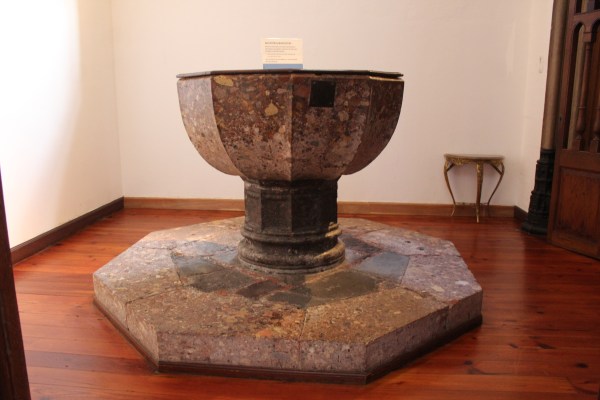
The Funchal Cathedral was founded in 1485 by order of D.Manuel I, who was so proud of the acquisition of the new island province that he decided to send Pero Anes, one of Lisbon's most important architects, to build it.
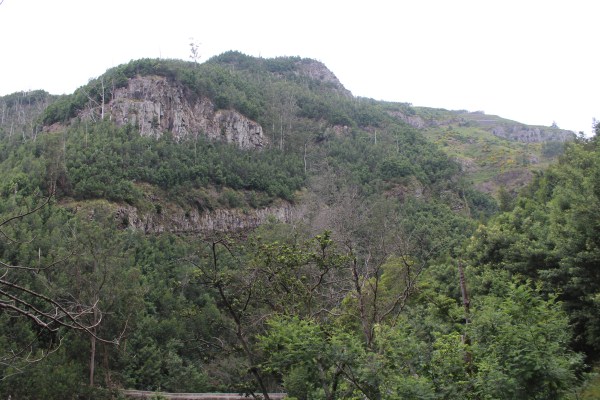
Madeira is famous for its levadas or artificial waterways, which are inserted into all types of slopes, whether forested and cultivated, through mountains or even in hostile cliffs. The term levada comes from the Portuguese word: levar, which means to carry.
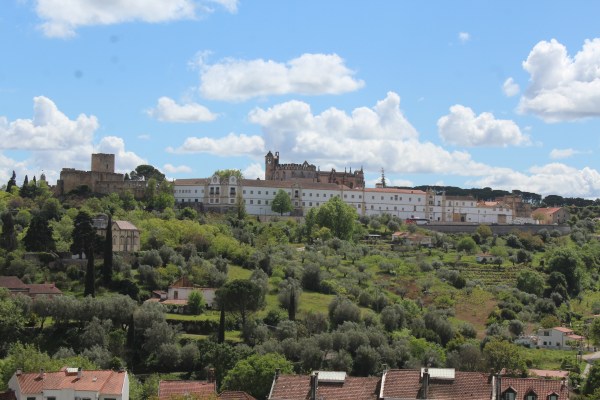
In 1160, the construction of a fort on the hill of Tomar began. It was built high up on a hill by the Tomar River and was considered impregnable by the enemies of the West. The original castle was joined by the first cloister just two years later, and seven more were to follow. For centuries, the Temples could be sure of the favor of the Portuguese kings and continued to expand the castle. Their financial resources were almost infinite.
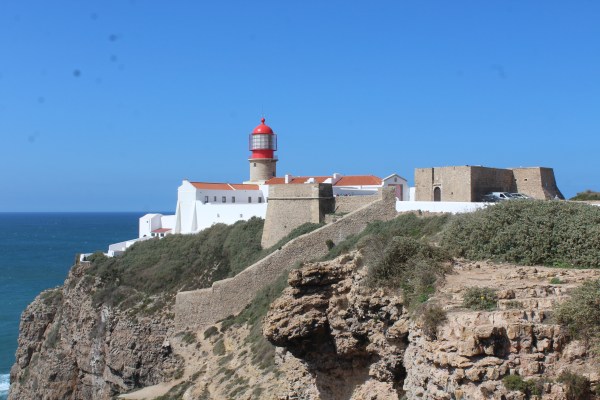
The Fortaleza de Sagres is located on the 1,000 meter long and 300 meter wide headland Ponta de Sagres. It is a national monument with great importance for the Portuguese. In the 15th century Infant D. Henrique had a mighty fortress built, in which he died in 1460. Through Henry the Navigator, Sagres achieved world fame, because it is thanks to his work that the place played a unique role in the history of Portugal and will forever be associated with the Portuguese voyages of discovery.
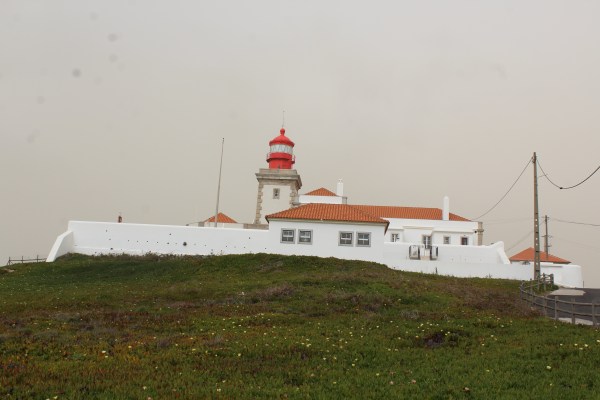
The beach town of NAZARÈ, with its mild climate and natural beauty, has very ancient traditions associated with the artisanship of fishing. CABO DA ROCA is the westernmost point of the mainland of the European continent. It is located in Portugal on the Atlantic coast west of Lisbon at an altitude of 140 meters above sea level. Cabo da Roca belongs to the municipality of Colares in the district of Sintra. On the Costa da Guia not far from Lisbon, lies a fascinating geological phenomenon: the BOCA DO INFERO - the Hell's Mouth. It is a gorge or cave connected to the Atlantic Ocean by a rocky gate.
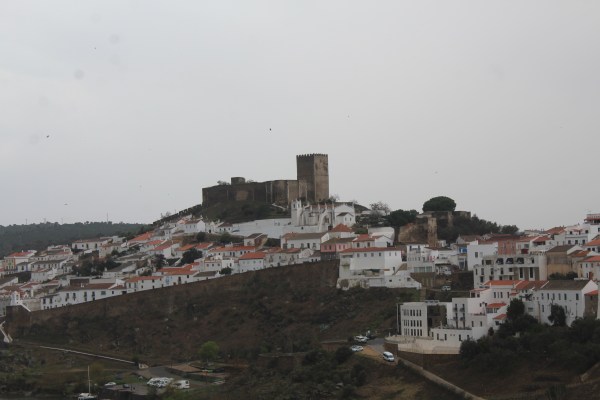
The small town was declared a Museum Village due to its vast archaeological collection and its historical importance. It is the seat of the sixth largest municipality in Portugal, where there are also natural beauties, such as the Parque Natural do Vale do Guadiana.
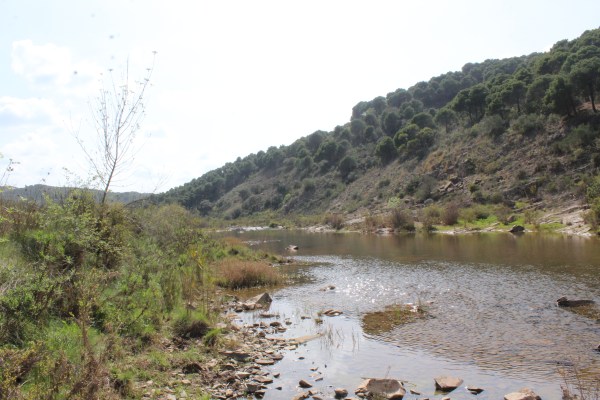
There are about 100 archaeological sites in the park. They start from the Upper Paleolithic period. The settlement of Mértola dates back to around 1000 BC, Serpa may also date back to pre-Roman times. The Romans called Mertola Iulia Myrtilis, relics of this epoch were found mainly at Largo da Câmara. Remains of a Roman villa were found near Serpa.
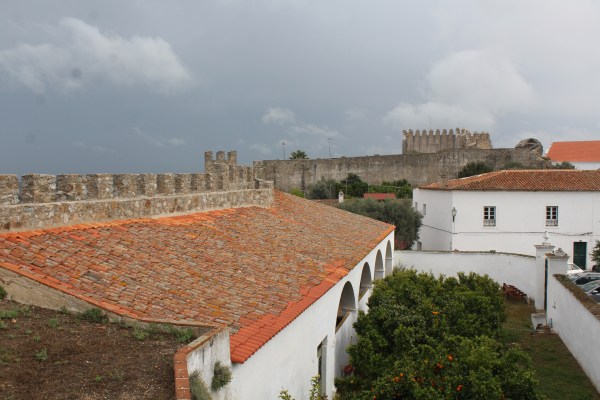
Because the White houses in the old town the city will be called also white city. The first traces of human settlement date back to 3000 years before Christ. Serpa is definitely a city that deserves a visit with its over 5000 years of history from the medieval time, the Muslim takeover, the Spanish-Portuguese wars.
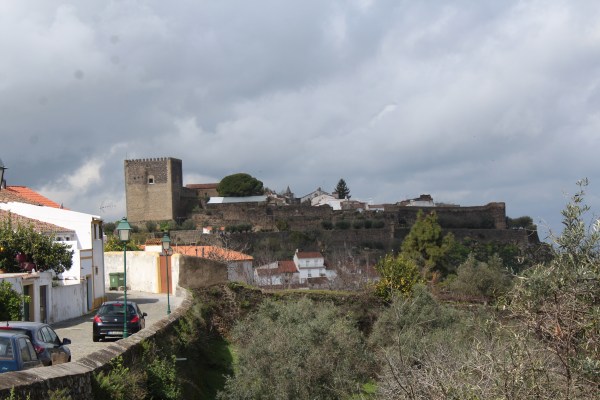
In the old town there are picturesque streets with houses from the 14th, 15th and 16th centuries with pointed arches and white painted facades. The Jewish Virtel, with its 15th century synagogue, is also noteworthy. In Castelo de Vide is also the Yellow House, where the famous statesman Mouyinho da Silveira lived.
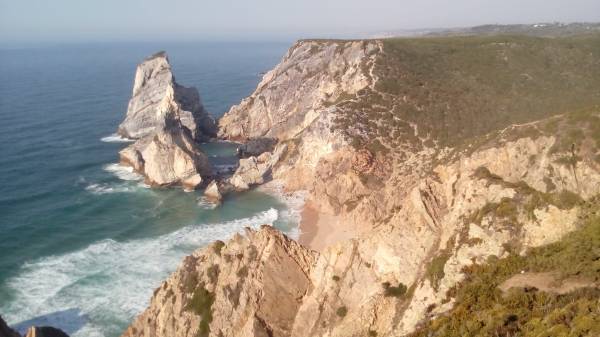
Behind the rugged cliffs of the Sintra coast hides one of the purest and most beautiful beaches in Portugal. It is the Praia da Ursa (Beach Ursa), considered the most western beach in Portugal and continental Europe. The place is located near Lisbon.


Donation
If you like the Project and would like to help to make it better, a donation is welcome and help very much to create the content constantly .
€5.00



 Nature & Culture