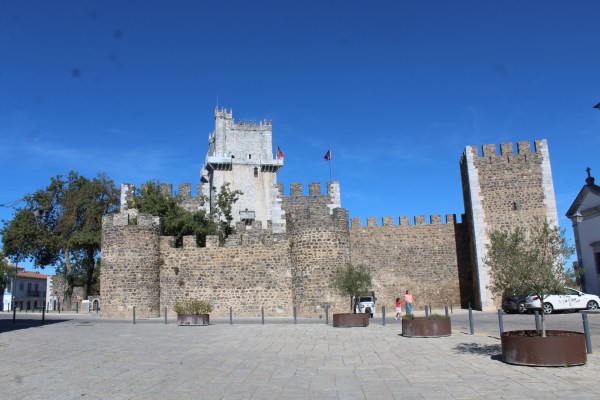
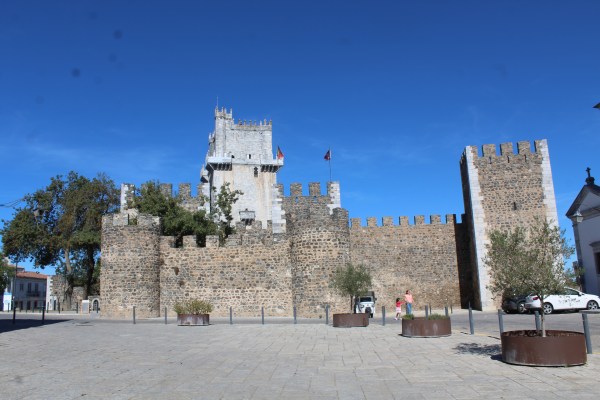
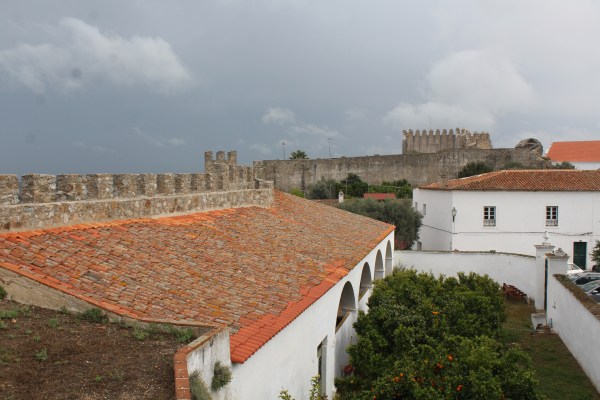
The Castle Medieval fortification that is the most emblematic monument of the city. Its Keep, with almost 40 meters high, is considered by some authors as the highest military tower in the country.The Castle of Beja, namely its Keep, is the city's best known and most emblematic monument. It is a Gothic fortress, whose construction... Continue Reading →
Beja -Capital of the southern Alentejo with a lot of history, Portugal
Visible from afar is the mighty fort, rebuilt in the 13th century by King Dinis. From there you have a magnificent view over the wide plains of the Alentejo with its cornfields and gnarled olive trees. During a tour of the city, you can easily orientate yourself by the imposing, almost 40 meter high tower of the fort, the "Torre de Menagem". Also worth seeing is the church "Santa Amaro" near the fort, which dates back to the 6th century and is one of the oldest preserved buildings in Portugal.
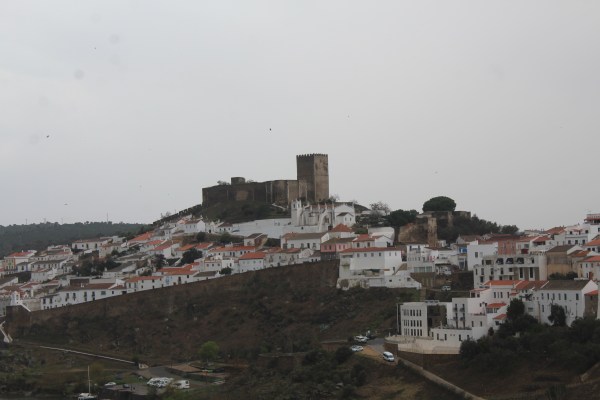
Mértola, Town of History – Portugal
The small town was declared a Museum Village due to its vast archaeological collection and its historical importance. It is the seat of the sixth largest municipality in Portugal, where there are also natural beauties, such as the Parque Natural do Vale do Guadiana.
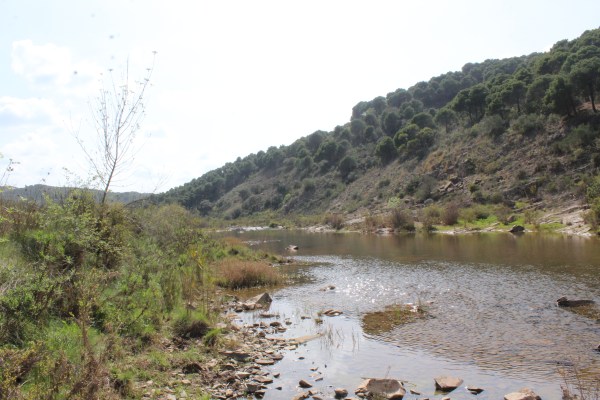
Parque Natural do Vale do Guadiana, Down Alentejo – Portugal
There are about 100 archaeological sites in the park. They start from the Upper Paleolithic period. The settlement of Mértola dates back to around 1000 BC, Serpa may also date back to pre-Roman times. The Romans called Mertola Iulia Myrtilis, relics of this epoch were found mainly at Largo da Câmara. Remains of a Roman villa were found near Serpa.
Serpa, The white City – Portugal
Because the White houses in the old town the city will be called also white city. The first traces of human settlement date back to 3000 years before Christ. Serpa is definitely a city that deserves a visit with its over 5000 years of history from the medieval time, the Muslim takeover, the Spanish-Portuguese wars.
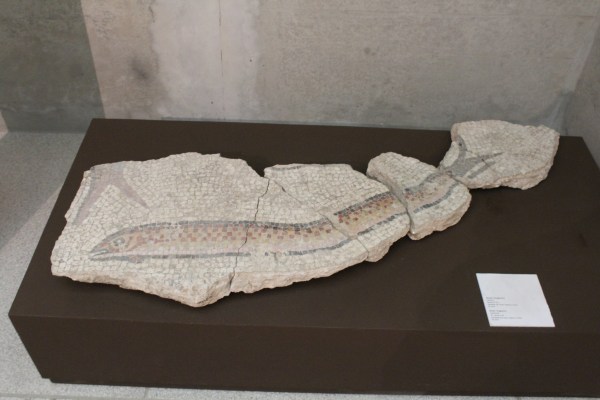
Evorá, Portugal part 7, Evora Museum
The Museum show the culture and the history of Evora. It Start in the Late – Neolithic time end finish in the 20th Century, across the times of Iron – time, Moors, Romans, the time of the Kings in Evora.
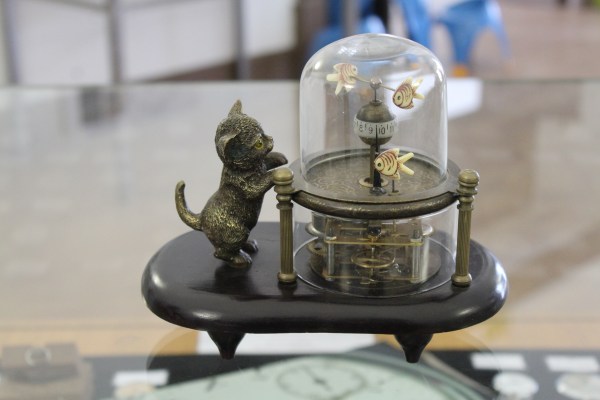
Evora, Portugal part 6 – Watch Museum
It all started in 1972 when António Tavares d'Almeida (1948-2012), the driving force of this space, inherited, from his grandparents, three broken pocket watches. From then on, this collector searched for watches all over the country and world, aiming the restoration and increase of the collection.
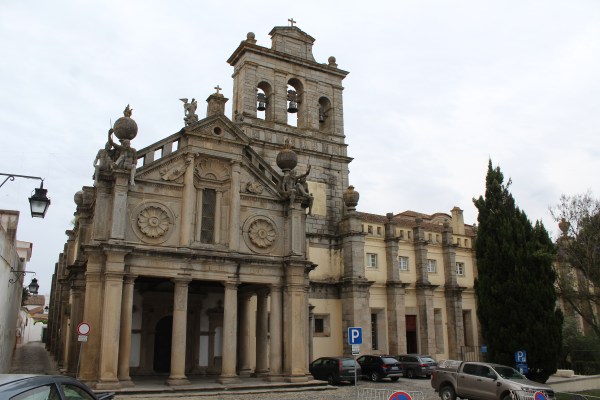
Évora, Portugal part 1 – Impression’s
One of Portugal’s most beautifully medieval town, Évora is a great place to fall into the past of the history. Inside the 14th-century walls, Évora’s narrow...
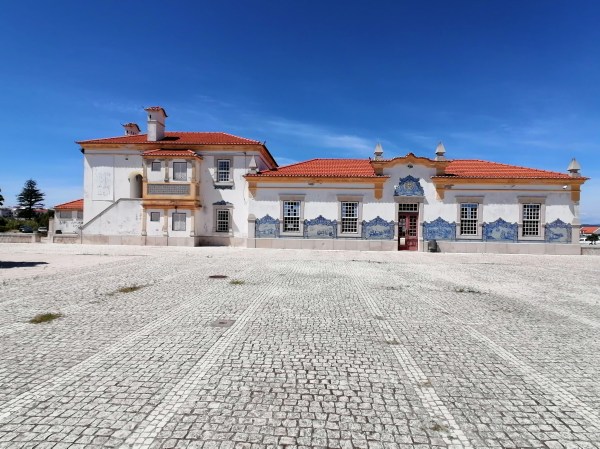
Sines part 1 – Sines Railway station
The Sines Railway station was opened at the 14th September 1936 and was closed in the Year 1990...