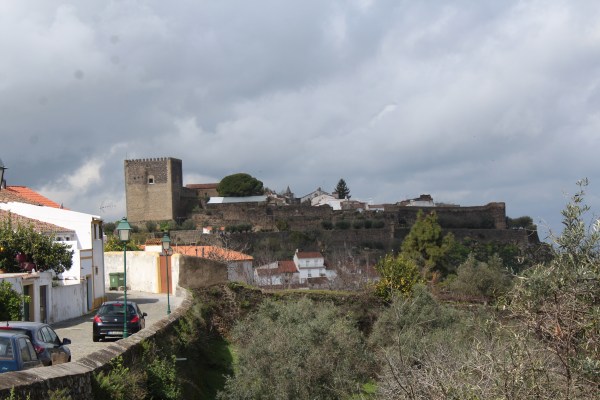
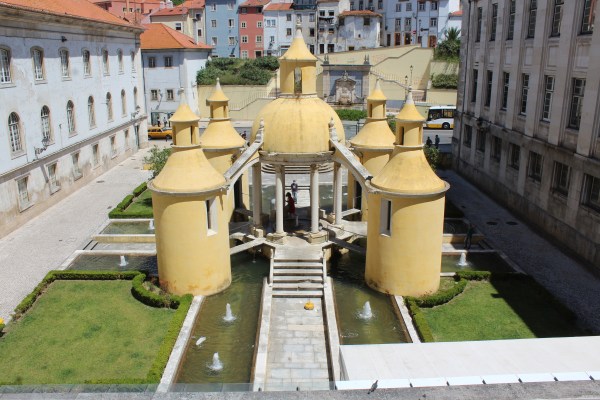
In the old town there are picturesque streets with houses from the 14th, 15th and 16th centuries with pointed arches and white painted facades. The Jewish Virtel, with its 15th century synagogue, is also noteworthy. In Castelo de Vide is also the Yellow House, where the famous statesman Mouyinho da Silveira lived.
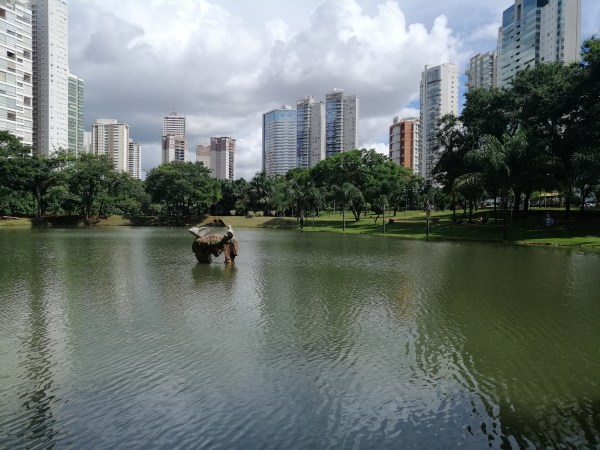
Goiânia, The green City – Brazil
Goiânia is the capital of the State Goiás, is one of the cities with the best quality of life index in Brazil The Brazilian municipality with the largest green area per inhabitant (94 m2), the city stand out for implementing an urban development model allied to a consistent policy of environmental responsibility . Goiânia was founded at 24th October 1933 and have now a population of more than 1,6 million people. The Saint patron of the City is "Our Lady of the Help" and the Slogan is: " For the greatness of the fatherland".
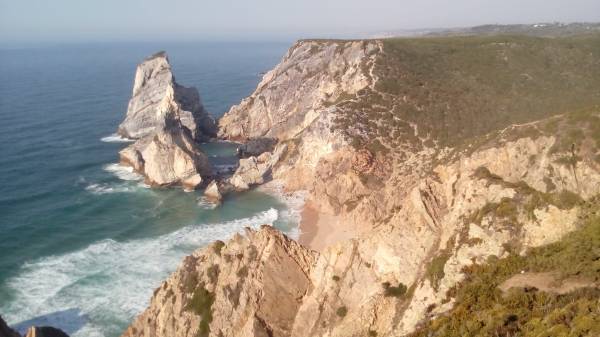
Praia da Ursa ( Beach Ursa) – Sintra, Portugal
Behind the rugged cliffs of the Sintra coast hides one of the purest and most beautiful beaches in Portugal. It is the Praia da Ursa (Beach Ursa), considered the most western beach in Portugal and continental Europe. The place is located near Lisbon.

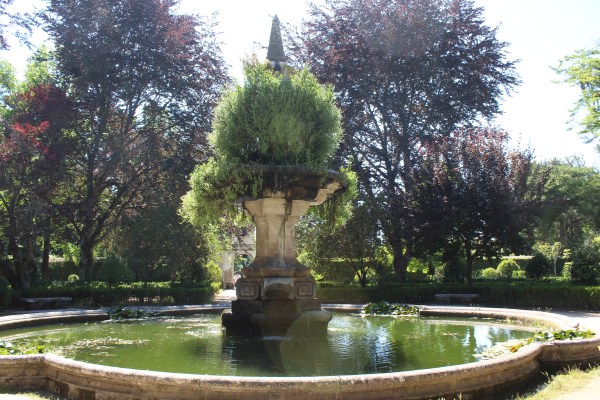
Coimbra, Portugal part 7, Botanic Garden
The Botanical Garden seems the perfect island in the middle of the city, but it is the scientific importance that makes it unique.
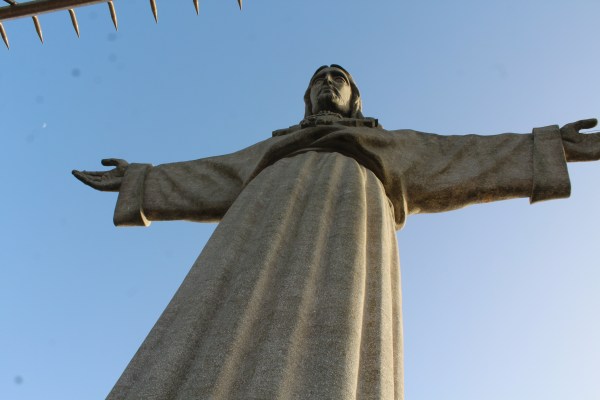
Shrine of Christ the King, Almada, Portugal

The Monument was Inaugurated at 17th May 1959 with a Statue of our Lady of Fatíma, a Radio Message of Pope John XXIII. and with all Portuguese Bishops and at guests the cardinals of Maputo (Mozambique) and of Rio de Janeiro (Brazil). Also come some of authority's and round about 300´000 people. The Statement of Cardinal Patriarch Cerejeira was: "This will be a sign of national gratitude for the gift of peace."
Experience Pillar 7 – Bridge 25th April, Lisbon, Portugal
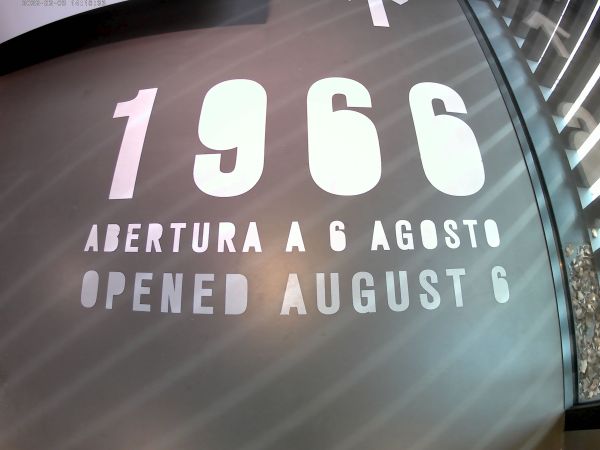
The interactive exhibition "Bridge Experience - Pillar 7"is in the Bridge Pillar 7 of the Bridge of the 25th April in Alcântara, Lisbon. The Bridge of the 25th April is one of the most beautiful Bridges in the World.
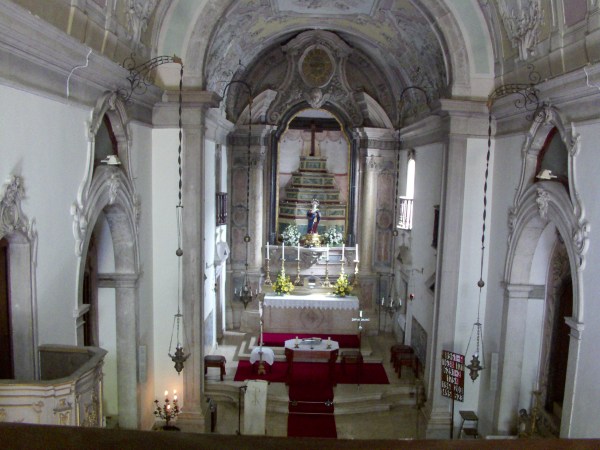
Lisbon, Portugal – Church of our Lady Mary of Sorrows
After the big Earthquake in 1755, was build the Church Nossa Senhora das Dores (Our Lady of the Pain) at one of the first from 1772 until 1783. The statue of the painful Lady Mary, this is standing now over the High altar. Before, the statue was in a church this was destroyed in a Church at the big earthquake in 1755, the statue was found without any issues.
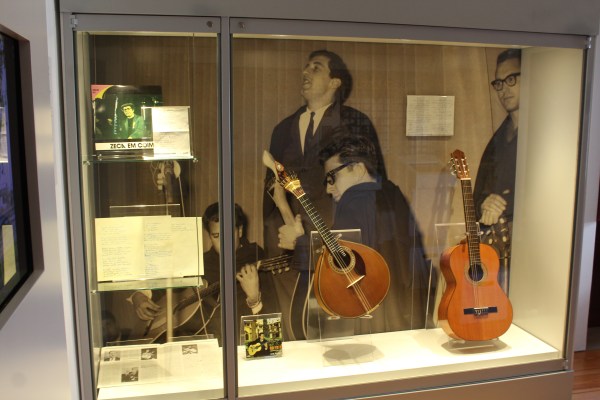
Coimbra, Portugal part 6 – Torre de Anto, Centre of Guitar and Fado of Coimbra
he Tower of the medieval time (16th century) is intigrated in the old City wall of Coimbra. It was adapted to be a residence during the reign of King Dom Manuel I.
Coimbra, Portugal part 5 – Cloister of Manga
The Jardim da Manga, also known as Cloister of Manga, is a Renaissance architectural work with fountains, located behind the Santa Cruz Monastery in Coimbra, Portugal. It has been classified as a National Monument since 1934.
Coimbra, Portugal part 4 – Monastery Church Santa Cruz
The portal facade was built in two construction phases. Between 1507 and 1513 the two mighty towers were built. The portal was designed by the master builder Diego de Castillo and executed between 1522 and 1526 by Nicolas de Chantereine.
Coimbra, Portugal part 3 – The new Cathedral
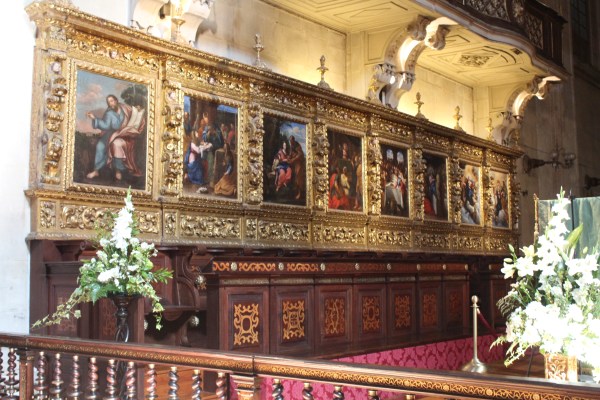
The new Cathedral was build in 100 Years from 1598 until 1698 from the order of the Jesuits. After the abolition and expulsion of the Jesuits in the 1750th, the church was used from the University of Coimbra and become in the Year 1772 the creation to the new Cathedral and Bishop Church of the Diocese of Coimbra.
Coimbra, Portugal part 2 – The old Cathedral
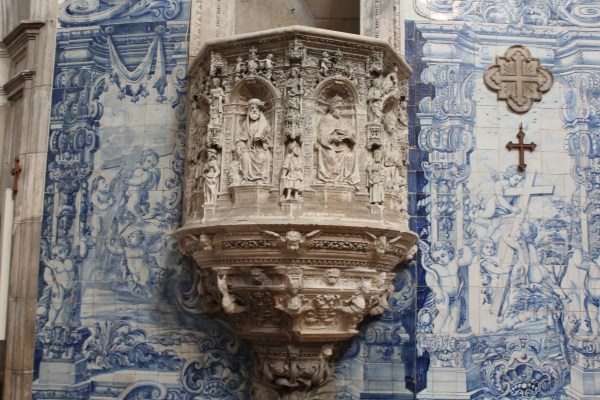
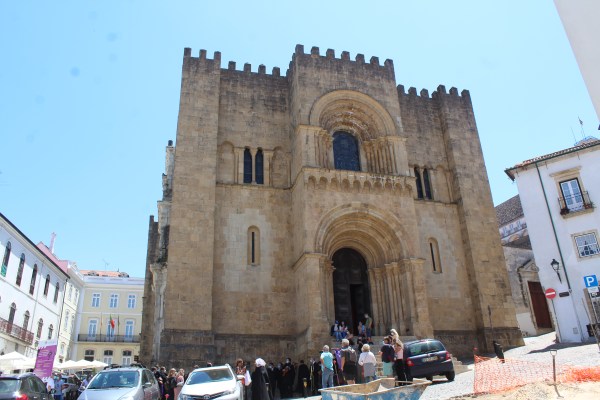
The Cathedral was build in the middle of the 12th Century in the style of the Romans. At begin of the 13th Century it was build the way of the Cross in the style in a mix of Roman and Gothic time. Until the Year 1772 it was the Cathedral of the Diocese of Coimbra, then the church of the Jesuit College was appointed as the new Cathedral. The old cathedral was declared a national monument in 1910.
Coimbra, Portugal part 1 – Impressionen
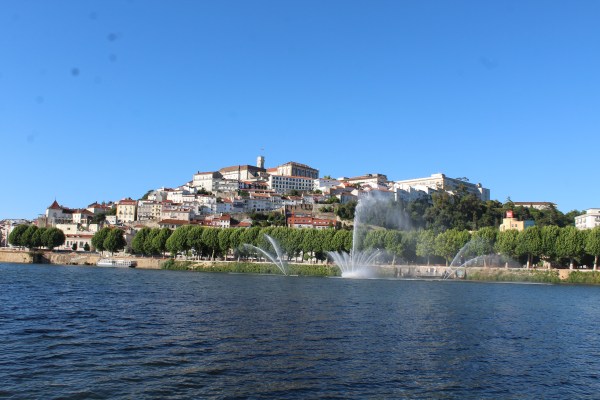
Coimbra is the Capital of the District of Coimbra and is on the River Mondega. The University City have round about a population of 143`000, 30`000 of them are Student`s. In the time from 1139 until 1256 Coimbra was the 2nd Capital in the History of Portugal.
Evorá, Portugal part 7, Evora Museum
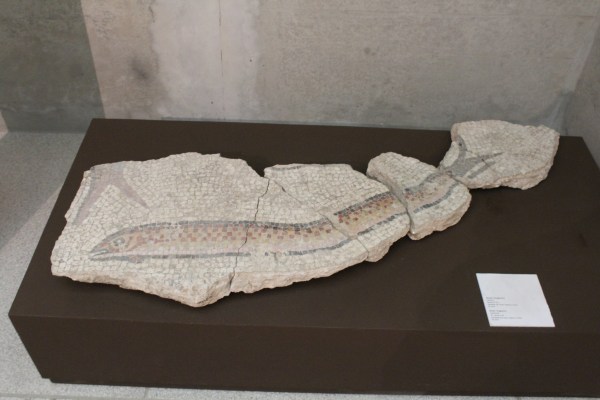
The Museum show the culture and the history of Evora. It Start in the Late – Neolithic time end finish in the 20th Century, across the times of Iron – time, Moors, Romans, the time of the Kings in Evora.
Evora, Portugal part 6 – Watch Museum
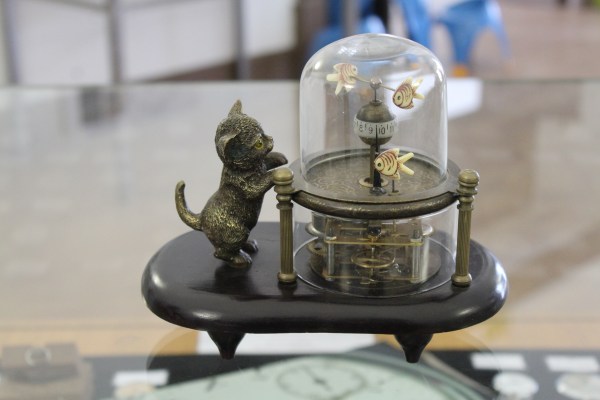
It all started in 1972 when António Tavares d'Almeida (1948-2012), the driving force of this space, inherited, from his grandparents, three broken pocket watches. From then on, this collector searched for watches all over the country and world, aiming the restoration and increase of the collection.