
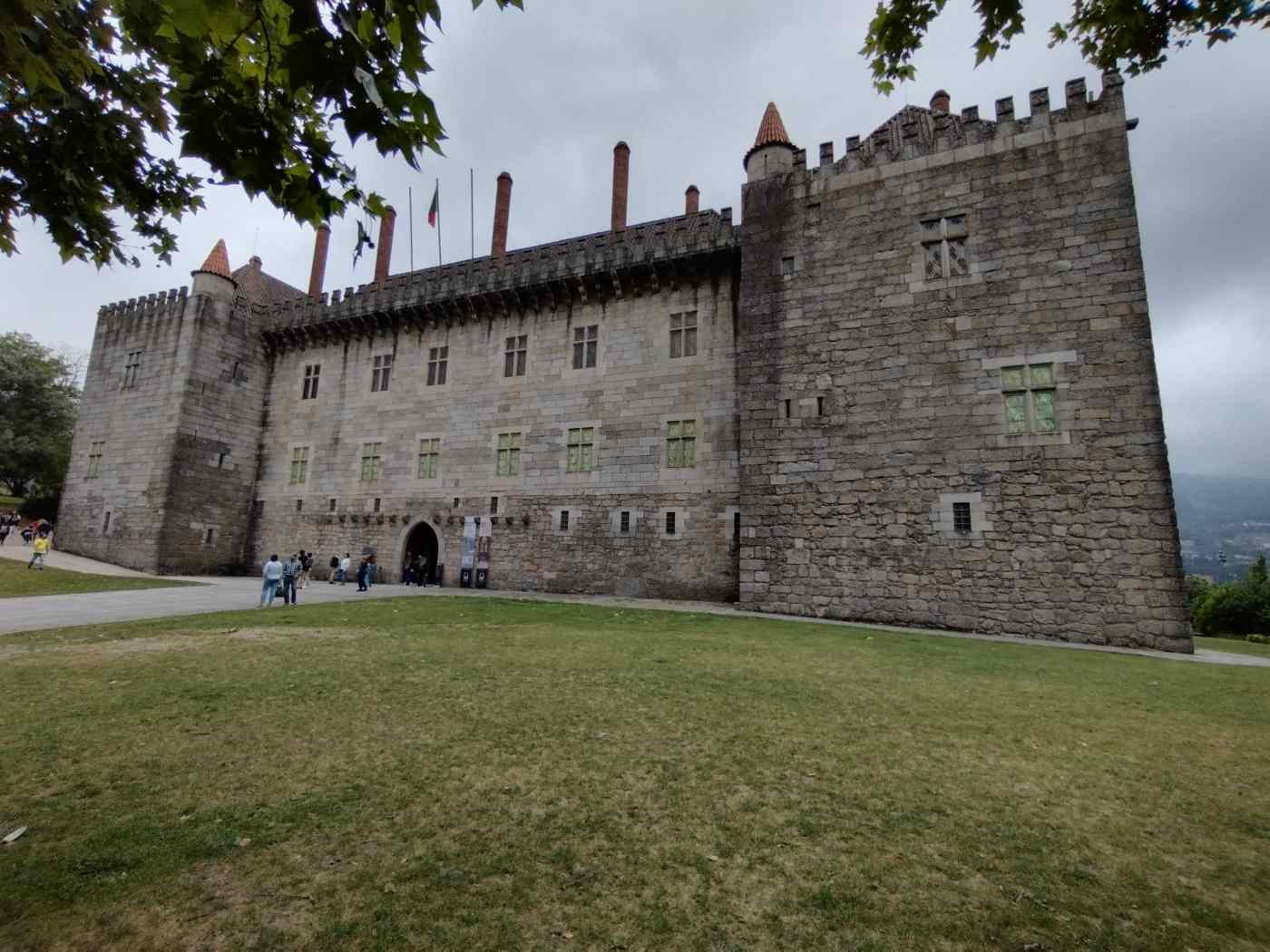
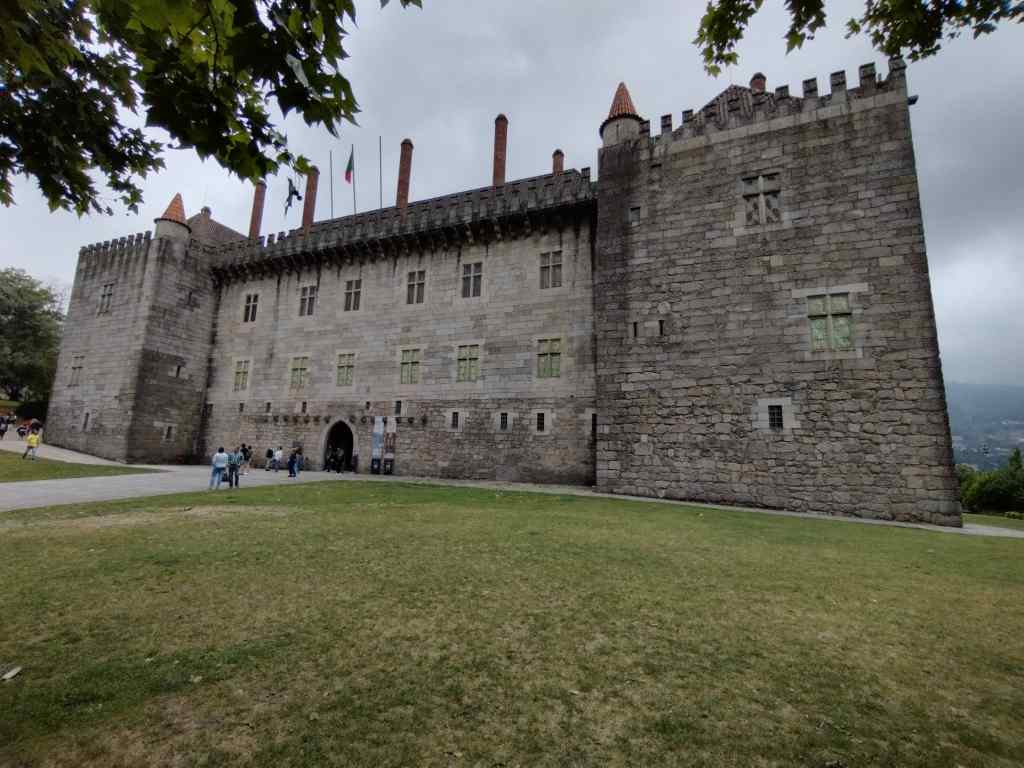
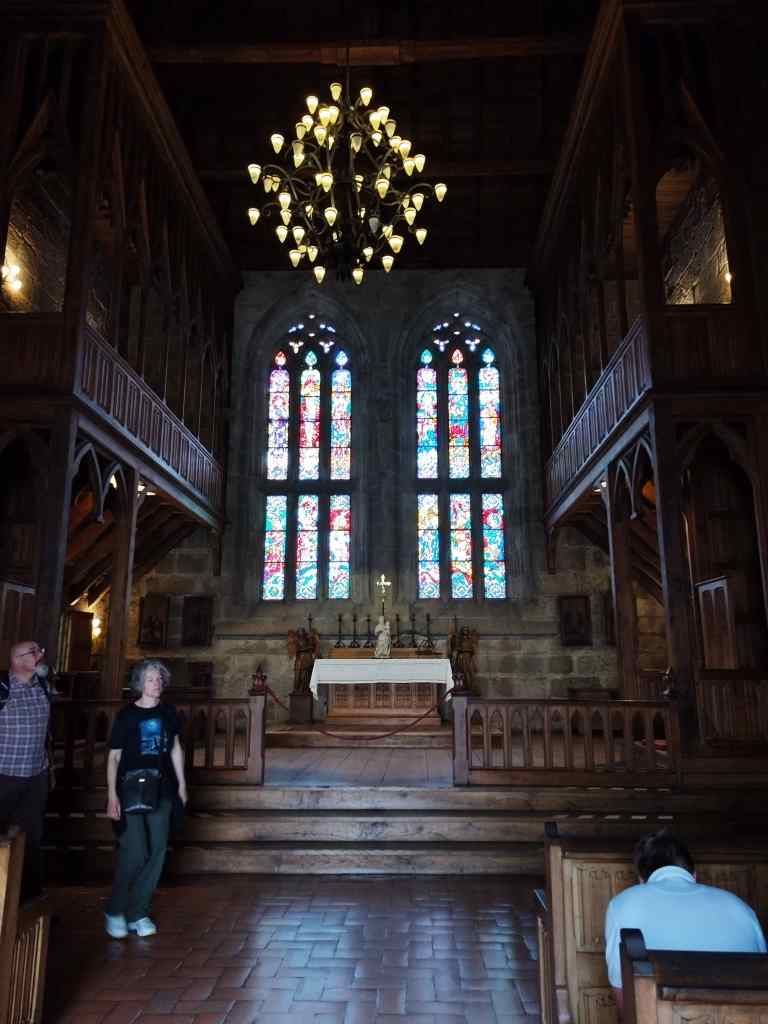
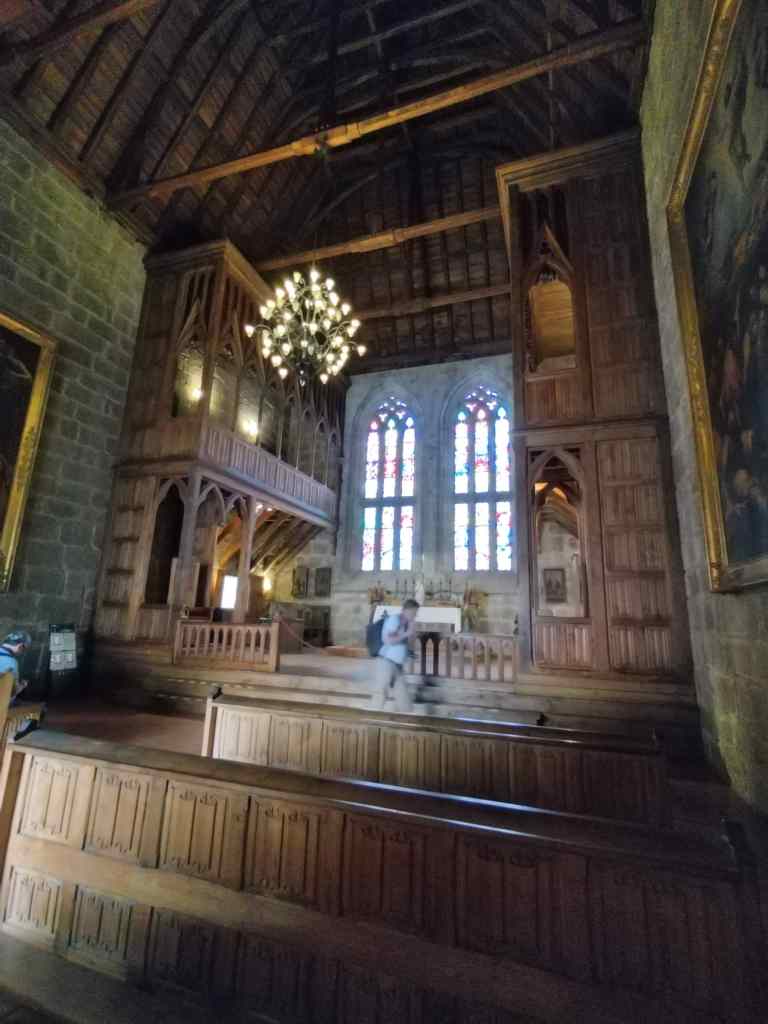
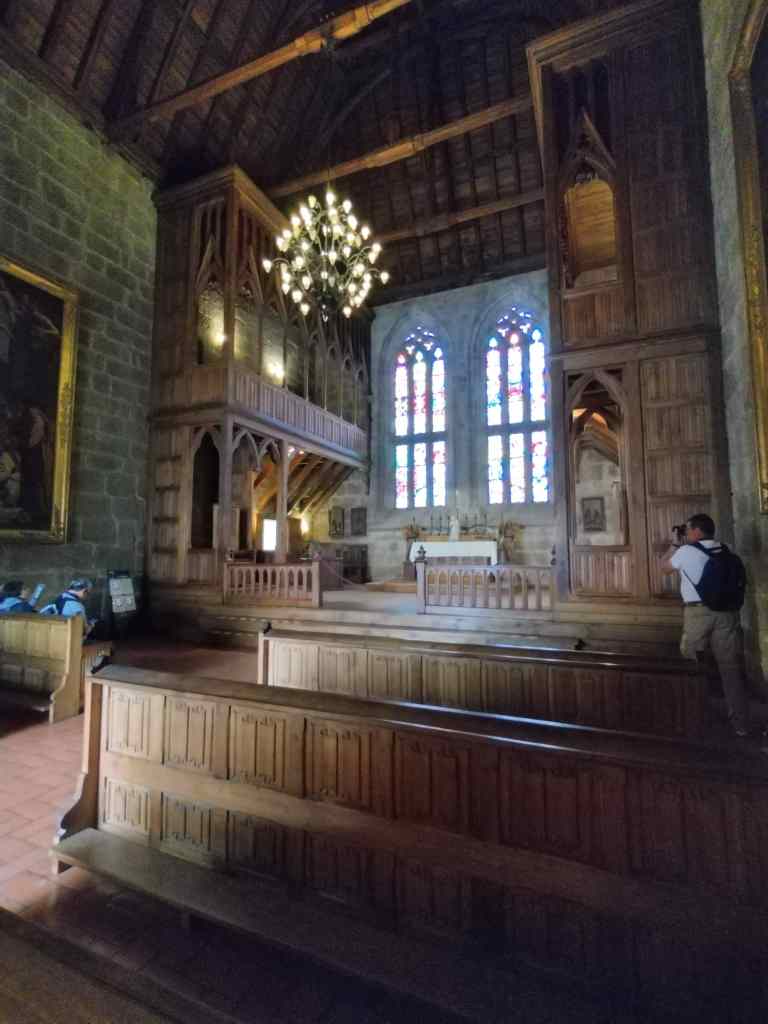
The Palace of the Dukes of Bragança was built in 1420 by Dom Afonso, who later became the first Duke of that name, Count of Barcelos and illegitimate son of the Portuguese King Dom João I. Above the entrance to the chapel you can see the coat of arms with the bastardy thread, which indicates his illegitimate birth, which would not have been dishonorable.
At the same time, he took Dona Constança de Noronha as his second wife. The couple chose the castle as their permanent residence.
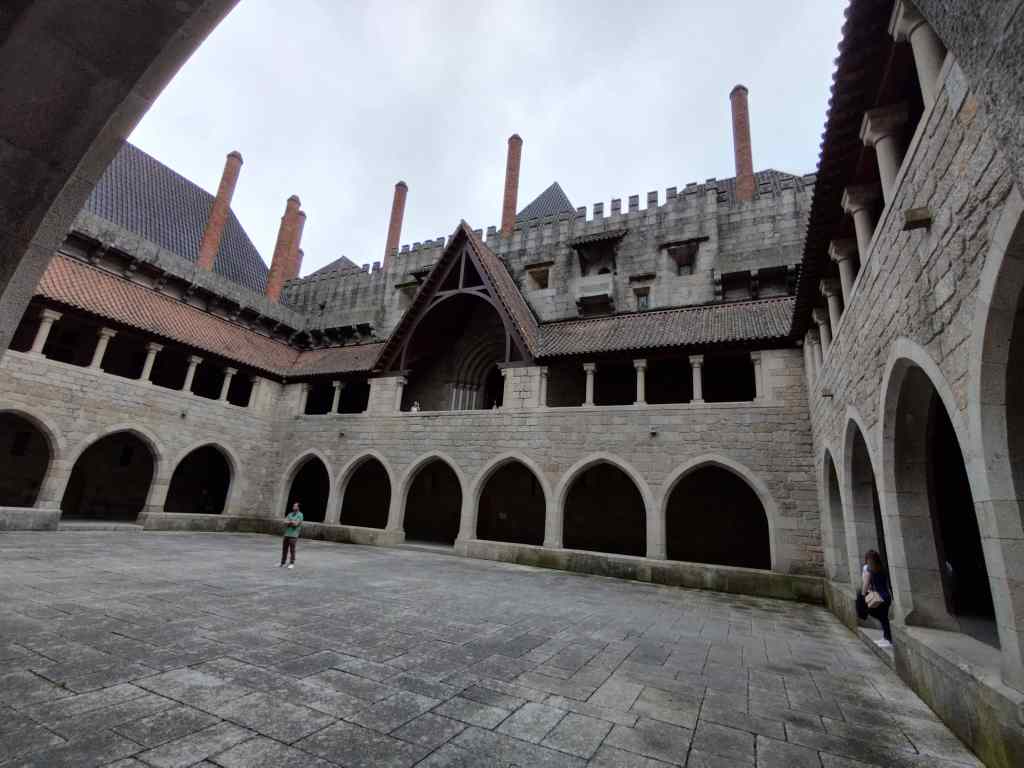
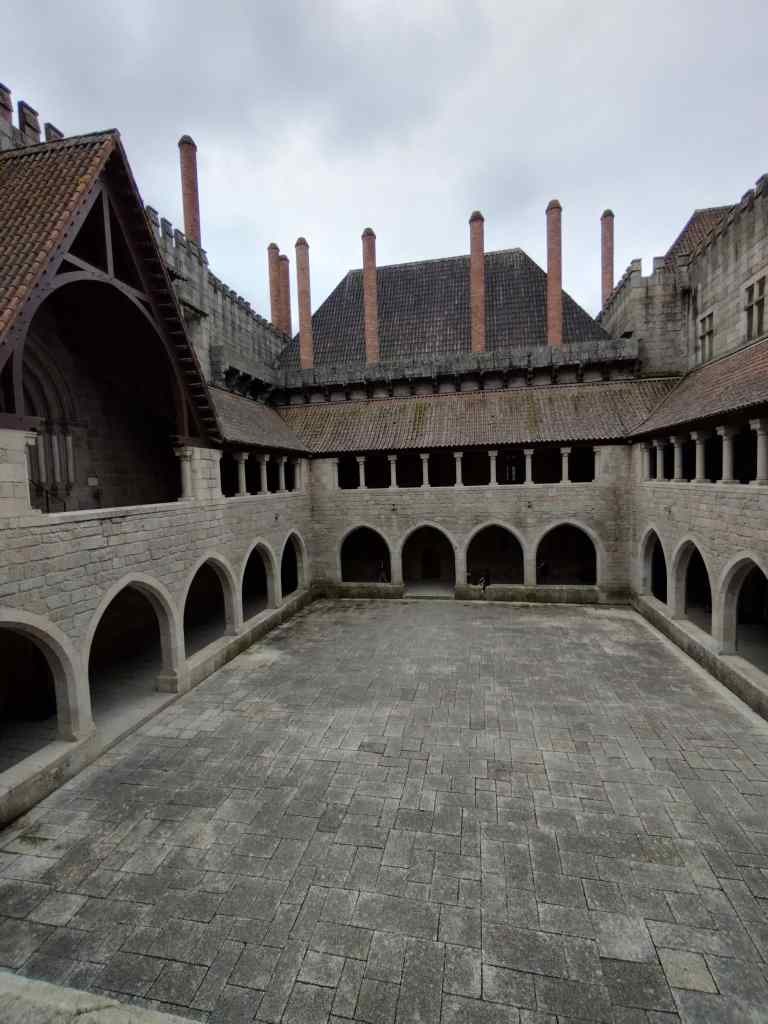
The castle combines traditional architectural elements with the style of European palaces of the time. The ground plan is square with a central courtyard around which the rooms, such as the chapel and ducal living quarters, are grouped.
living rooms are grouped around it.
In addition to the dimensions of this palace, its steep roofs with numerous chimneys, which are reminiscent of French castles of the time, are unusual. Dom Afonso had been on diplomatic missions in other European countries and wanted a palace in this modern style. When Dona Constança died in 1480, the castle’s heyday came to an end.
The castle was regularly inhabited until the 15th century, after which it began to slowly decay until the palace collapsed. The magnificent palace complex of Vila Viçosa became the new center of ducal power.
From the 17th century, there were requests to use the building materials for other purposes, for example for a Capuchin monastery. Although the building continued to fall into disrepair, it was used as barracks from 1807.
In 1910, the former ducal palace was classified as a national monument and was later restored between 1935 and 1959 under the architect Rogério de Azevedo. The restoration was based on traces left on site, but also on similar palace complexes from this era abroad. This is probably why some parts of the current palace differ from the original building.
At the beginning of the 1960s, the Bel Etage was opened to the public as a museum, while the upper floor is the official residence of the President of the Republic.
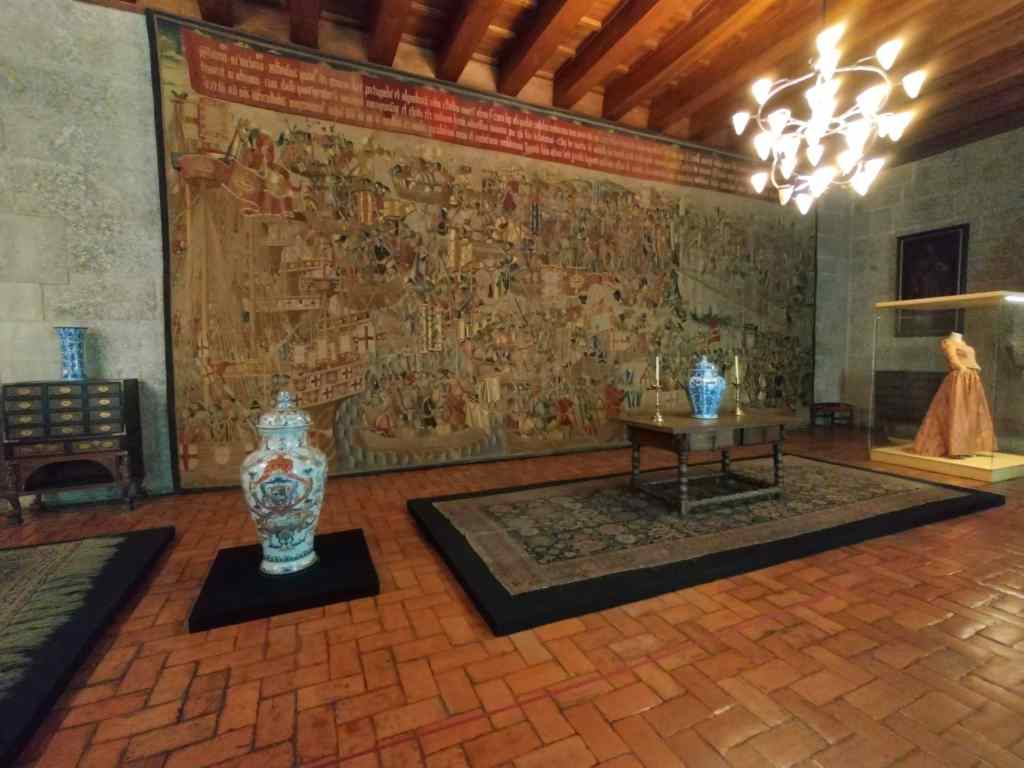
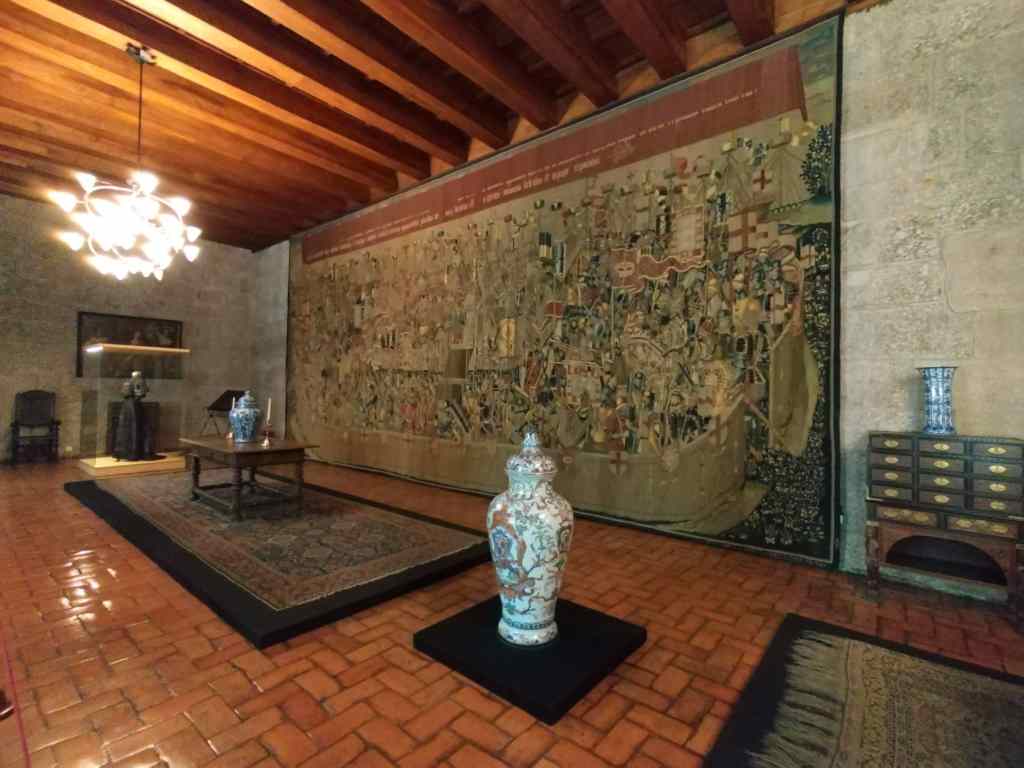
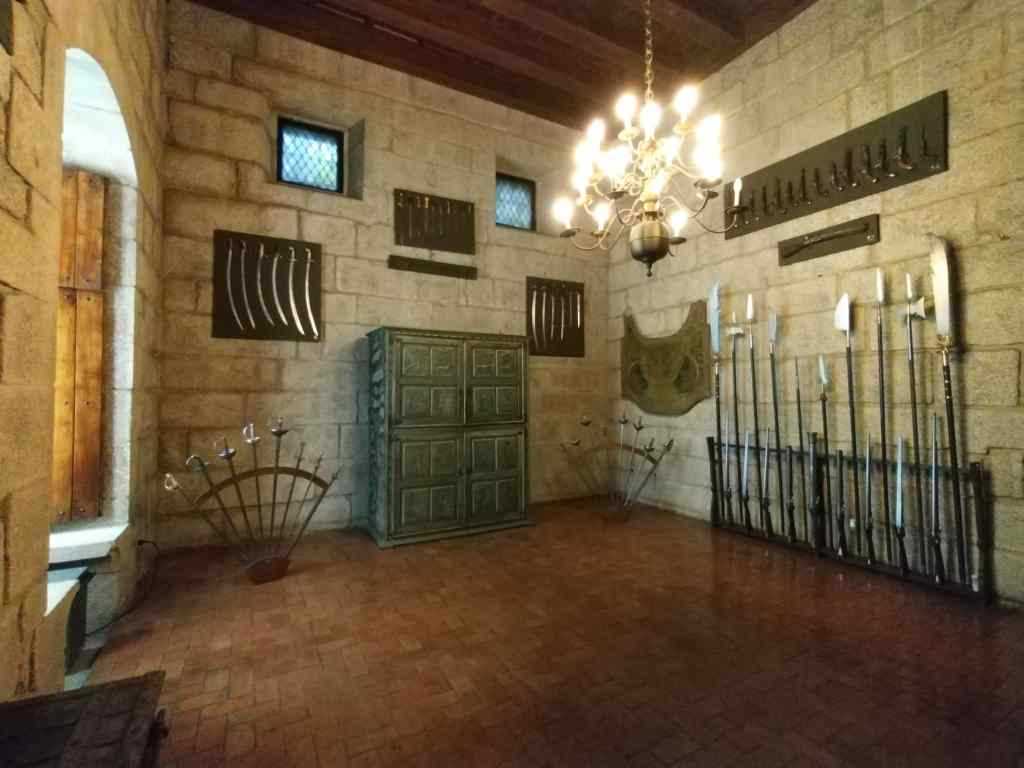
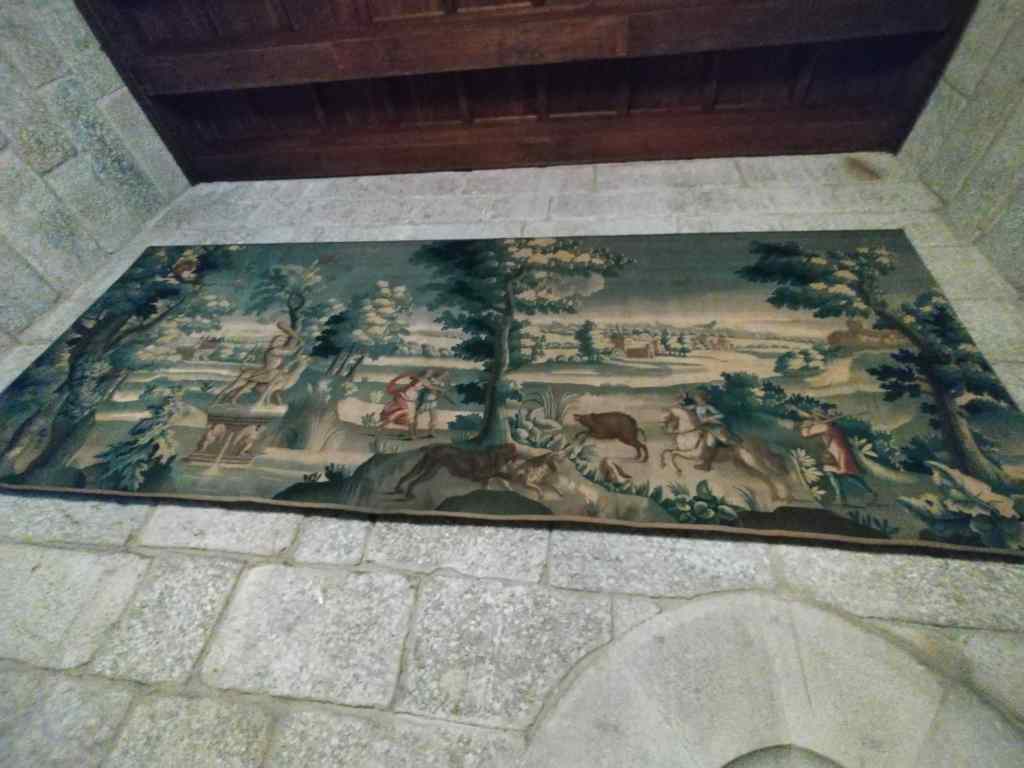
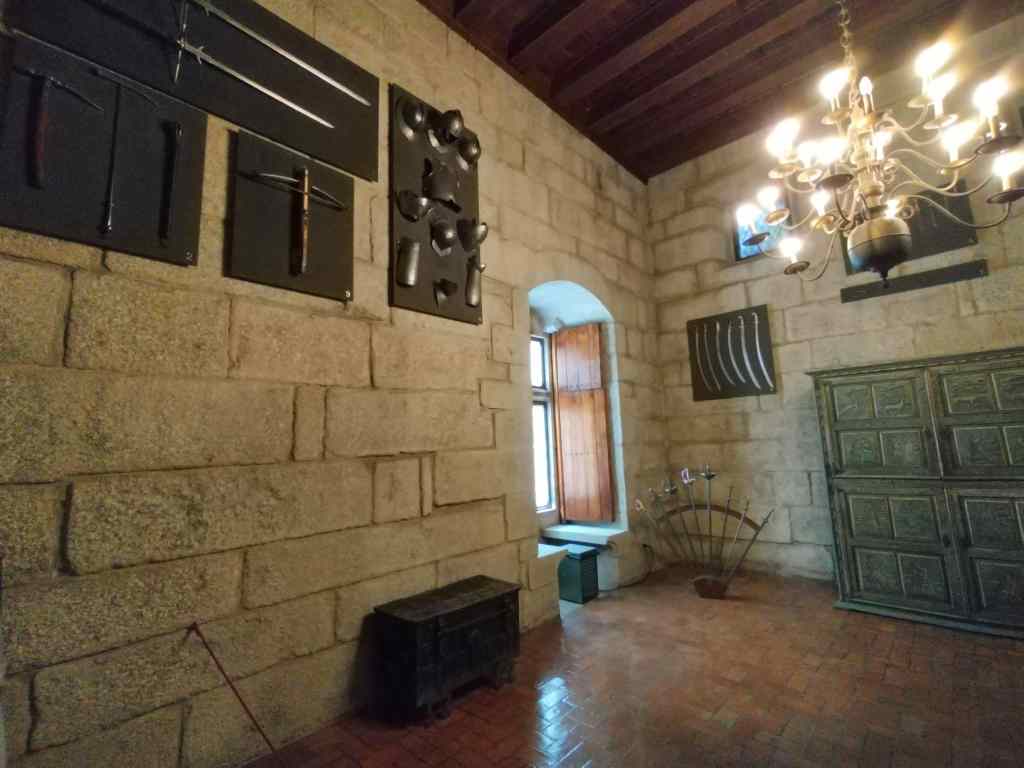
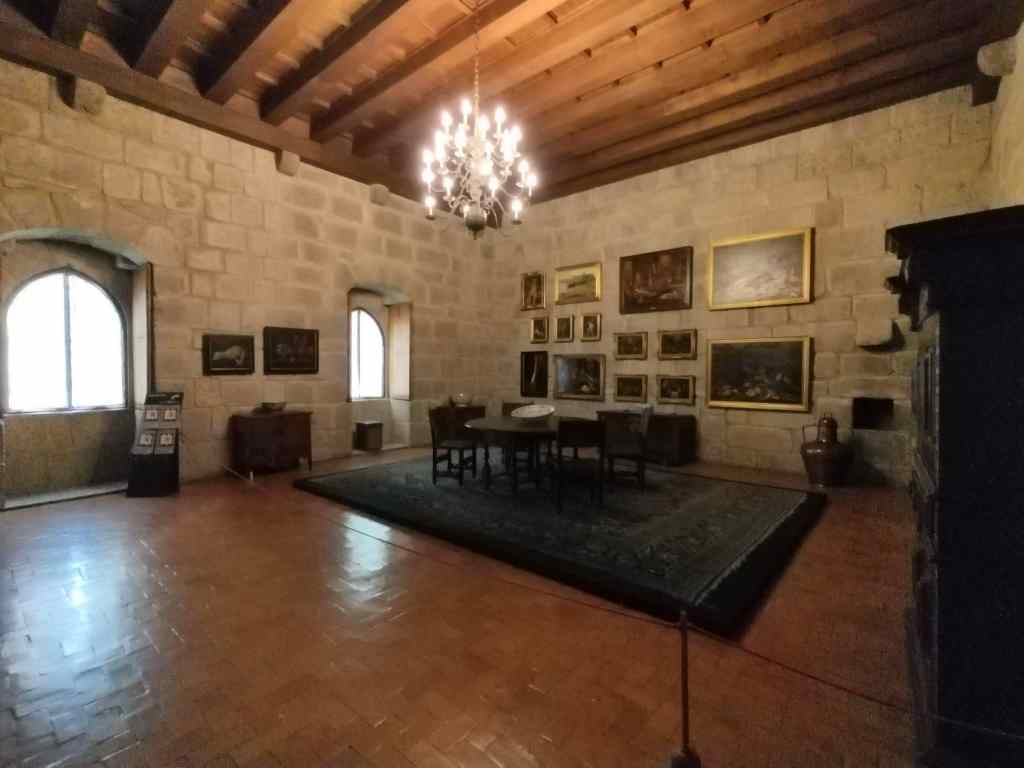
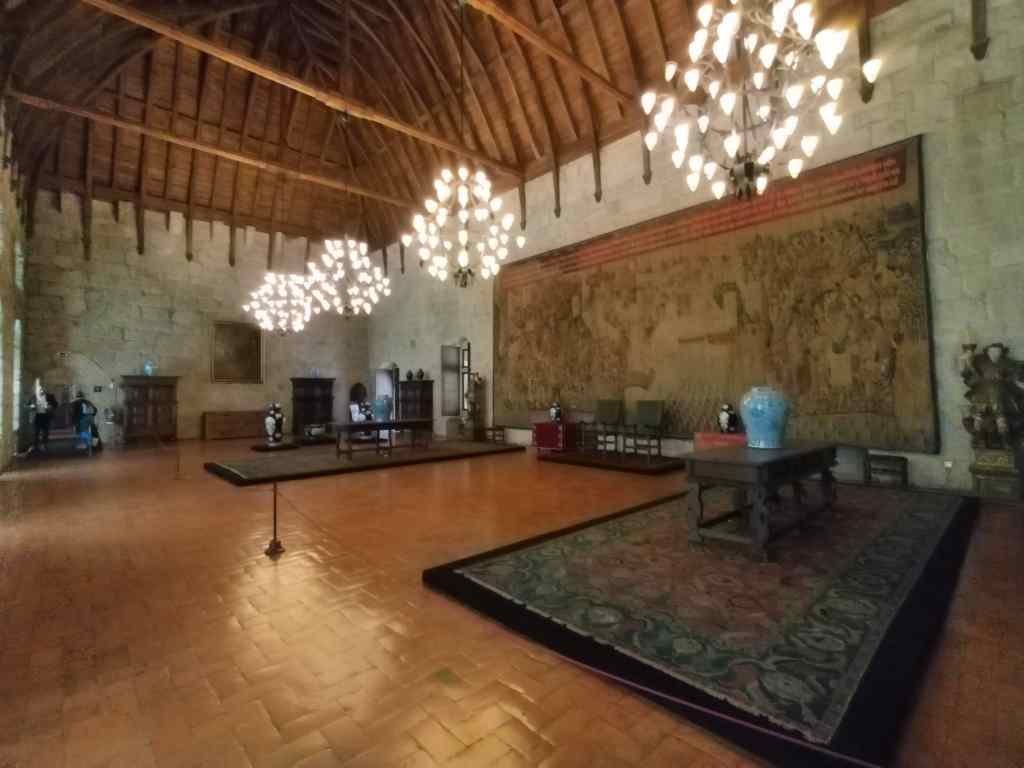
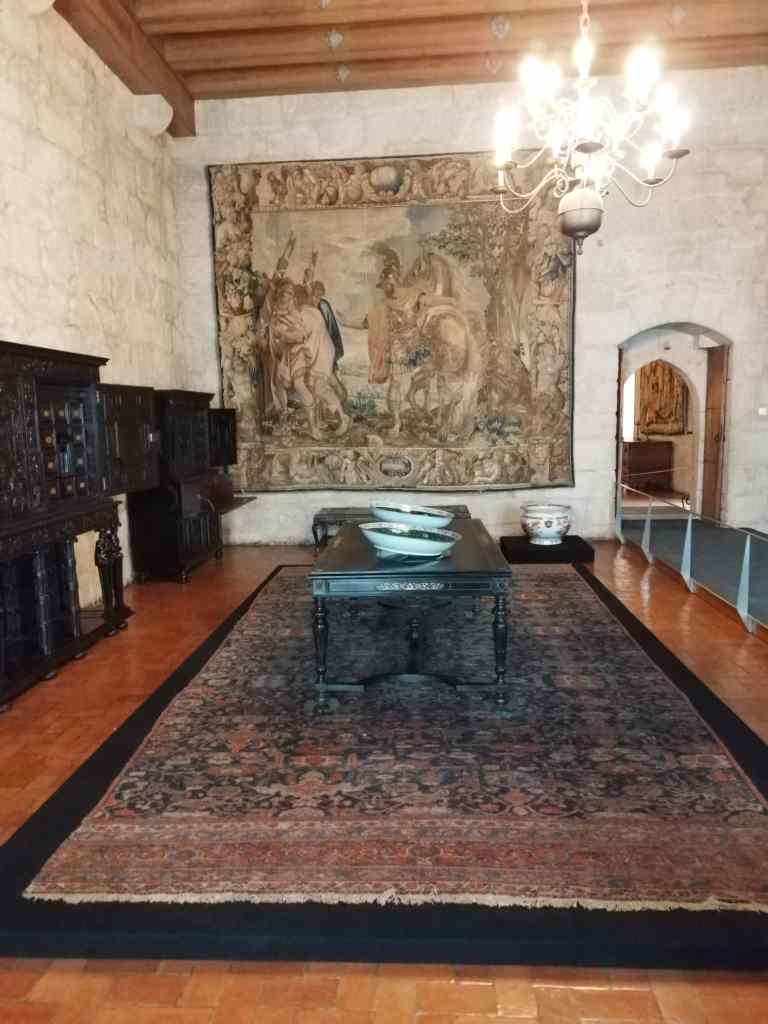
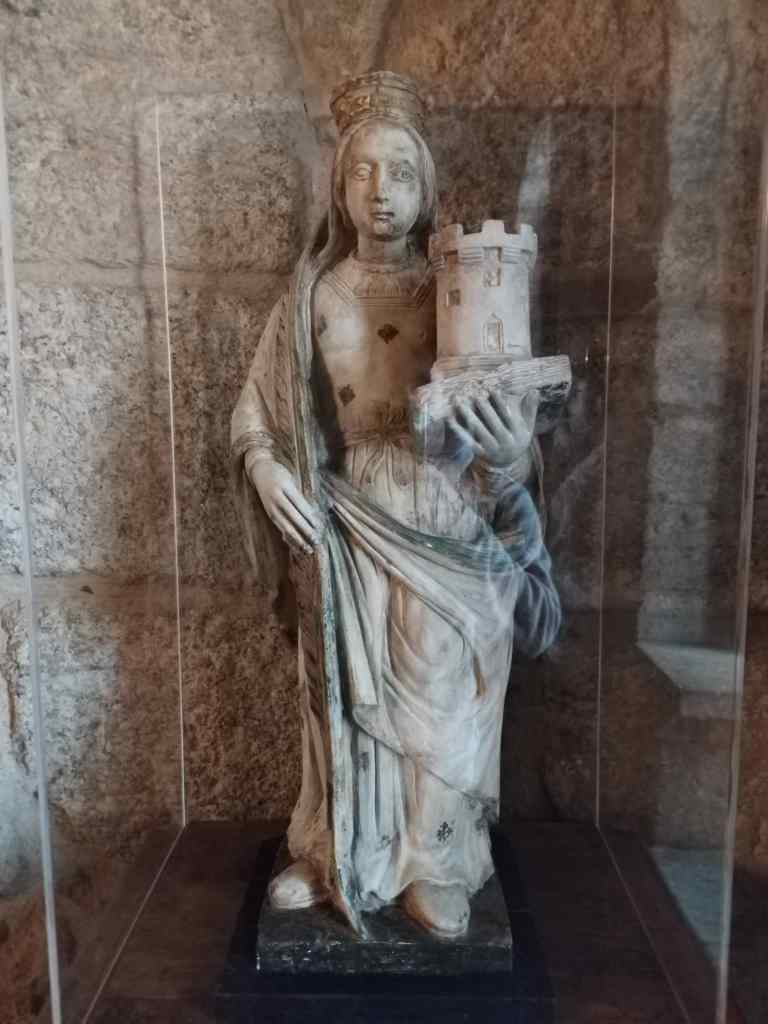
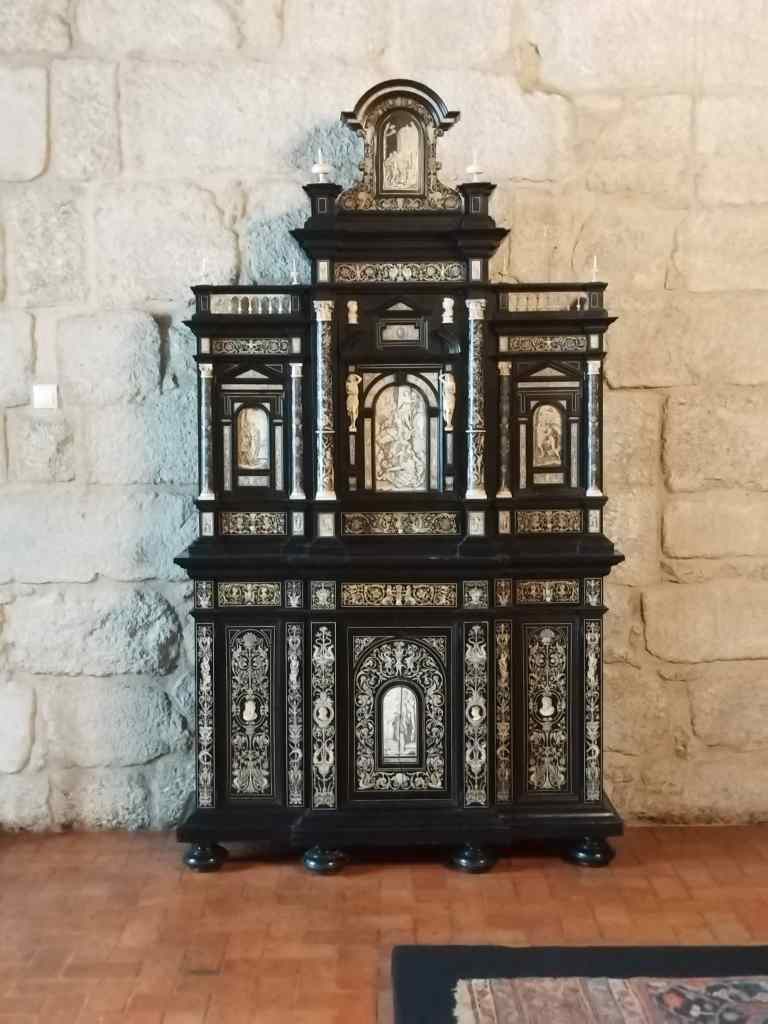
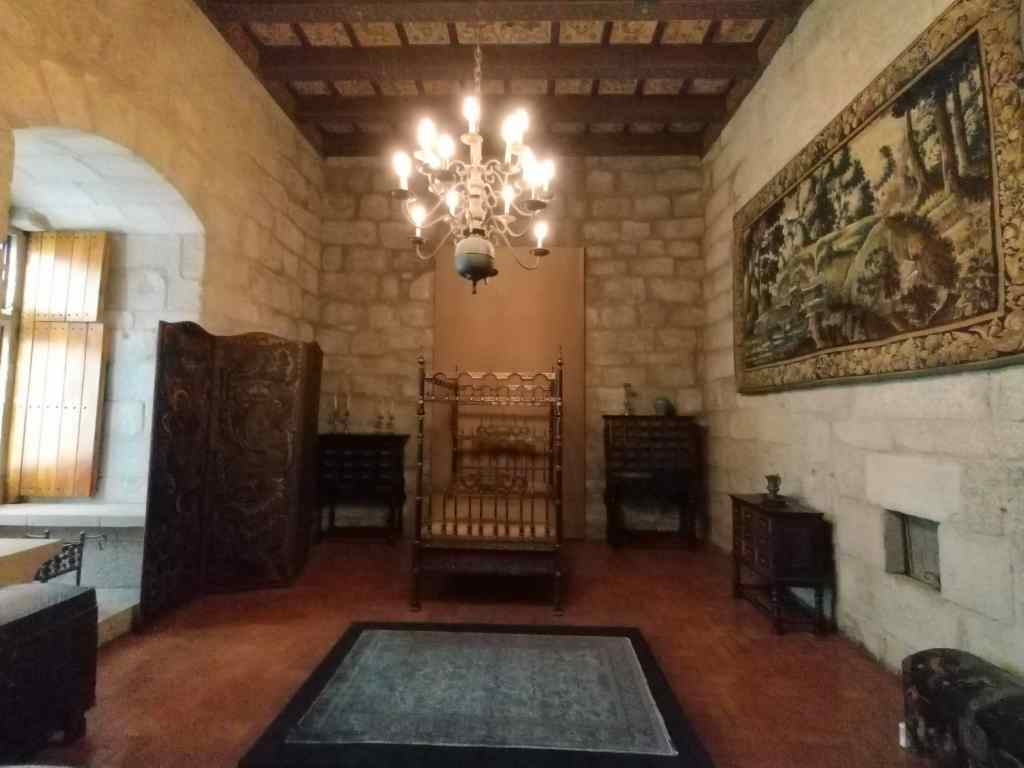
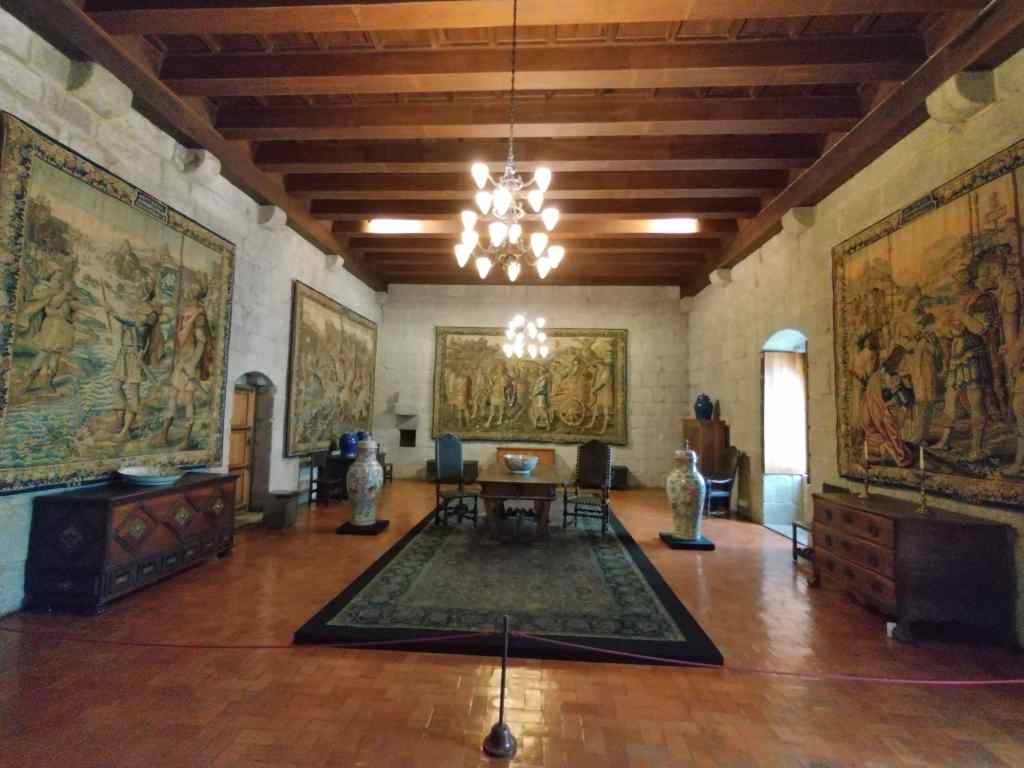
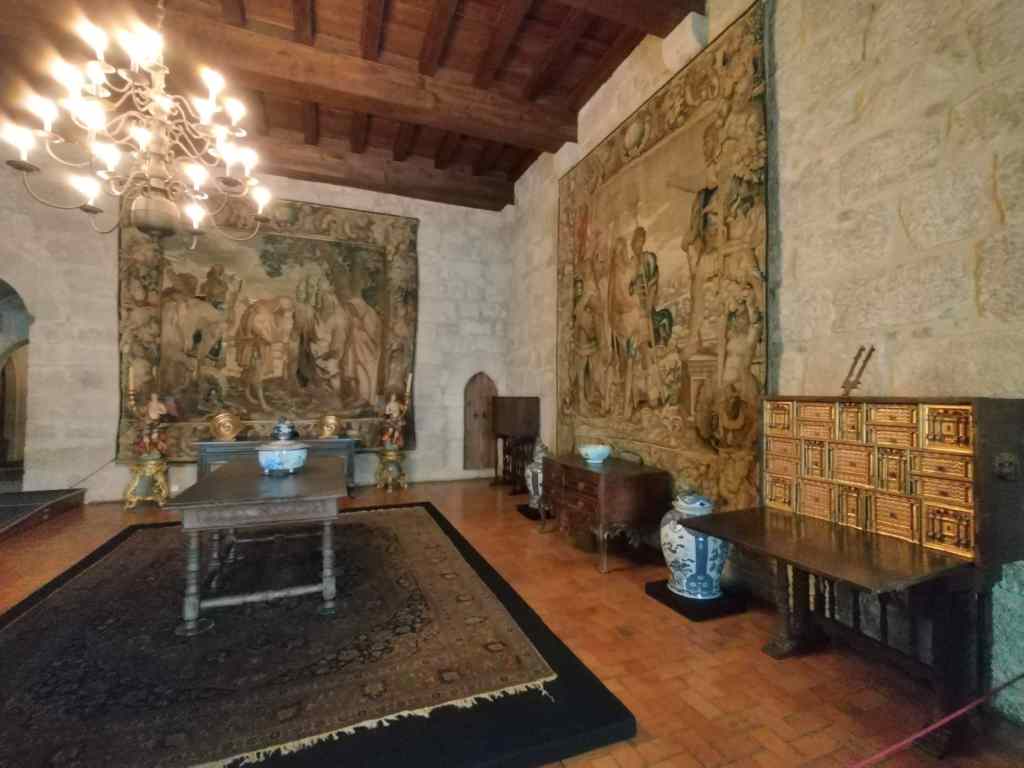
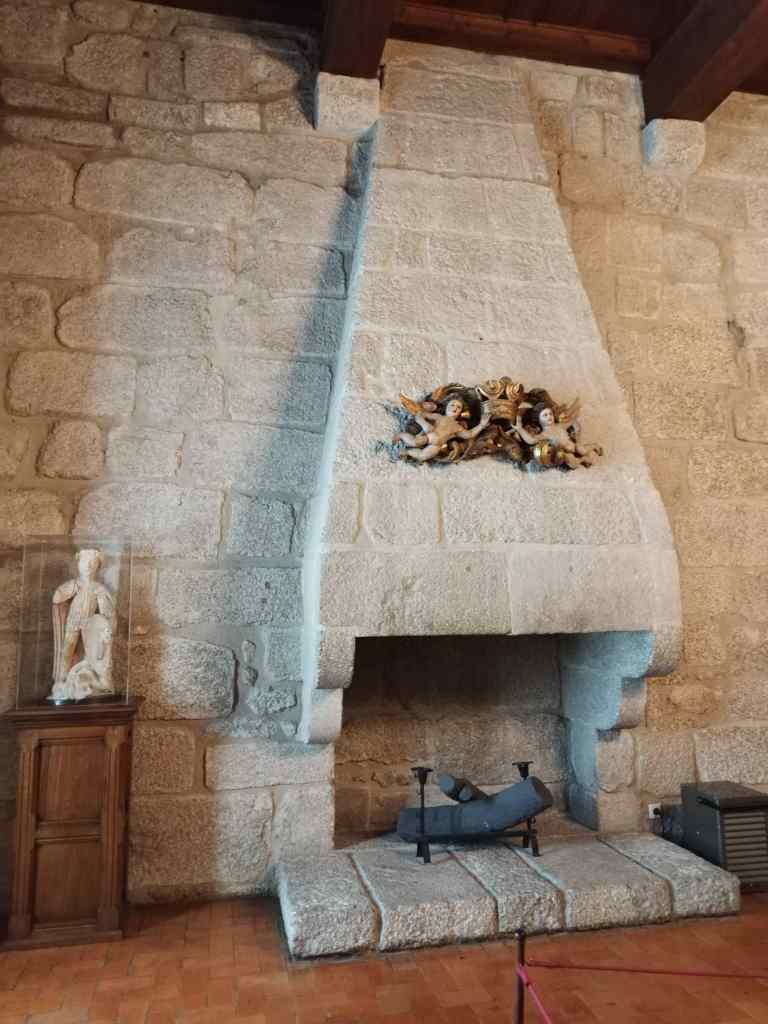
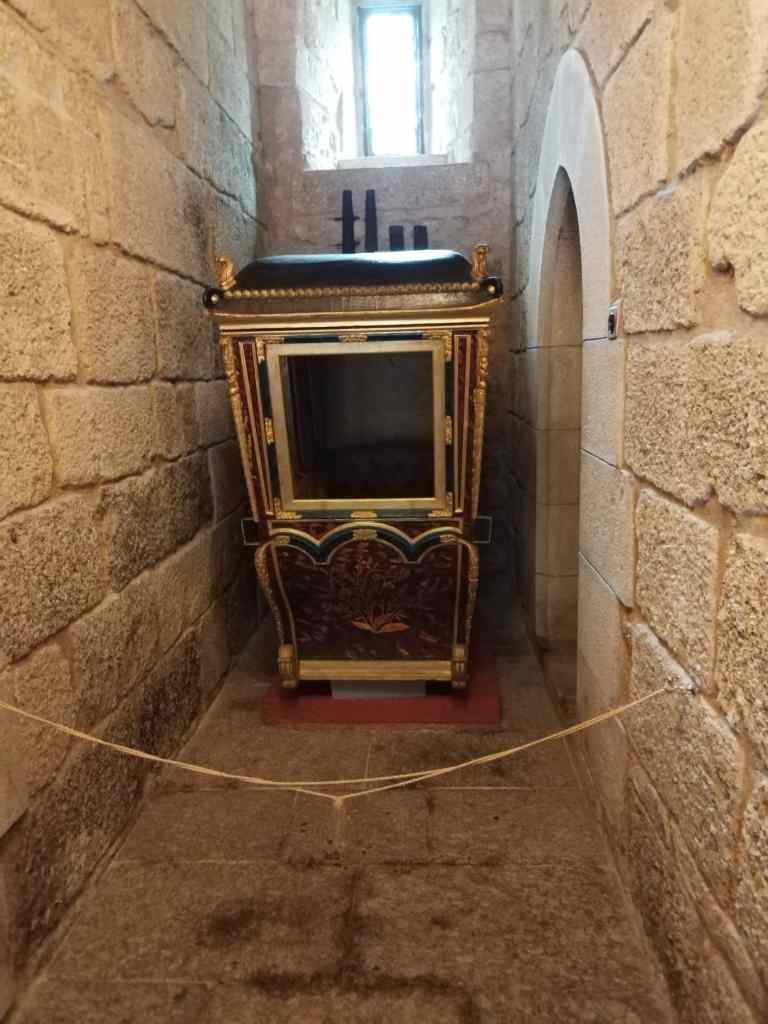
The museum displays a wealth of exhibits, mainly from the 17th and 18th centuries. The tapestries tell of the golden age of discovery, there are also Flemish and French tapestries from Aubusson, as well as a collection of porcelain from the Companhia, weapons and furniture, such as chests of drawers in Indo-Portuguese style. The Hall of Lost Steps and the Reception Hall are particularly magnificent.




 Nature & Culture
Leave a comment