
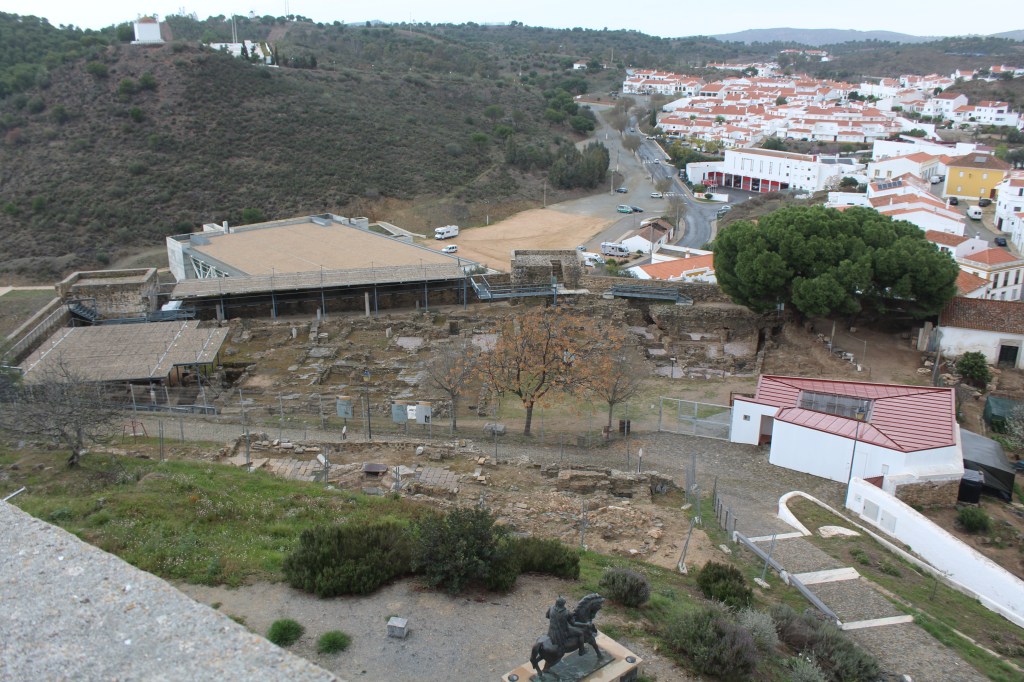

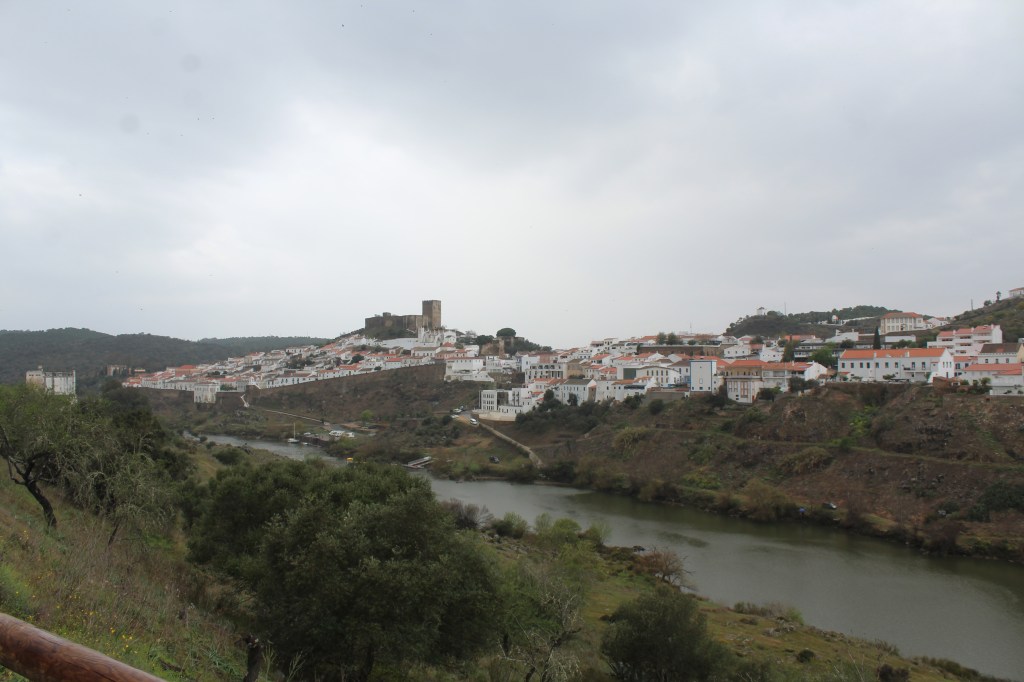
Mértola is a Portuguese walled city in the district of Beja, Alentejo region, which preserves centuries of history.
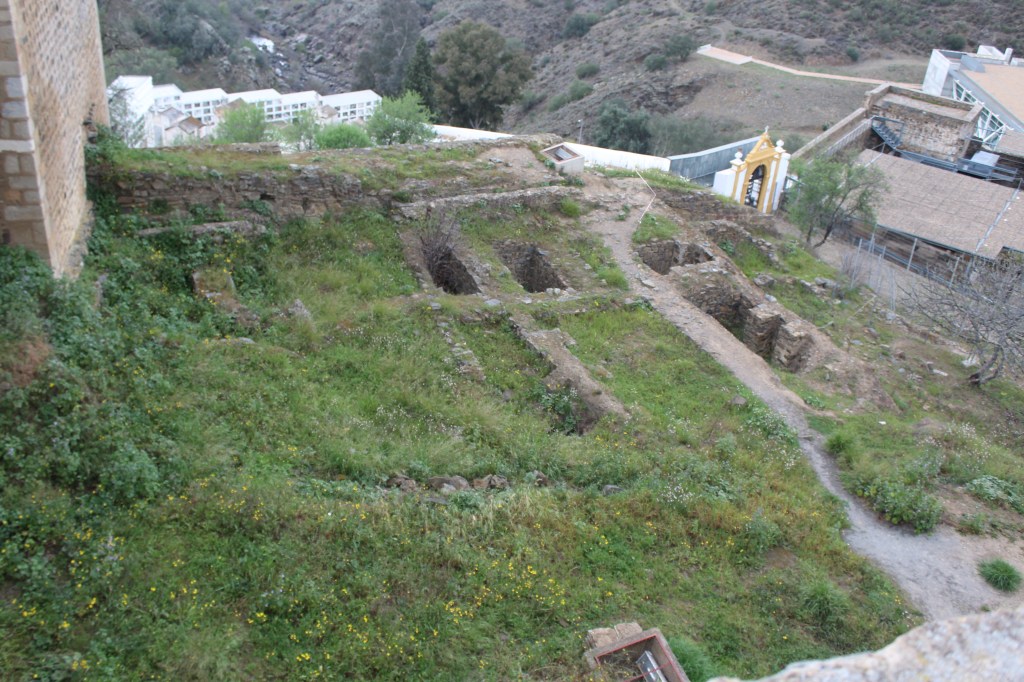
It remains that date back to the Neolithic Age, the municipality of Mértola now presents archaeological sites that allow us to go back in time.
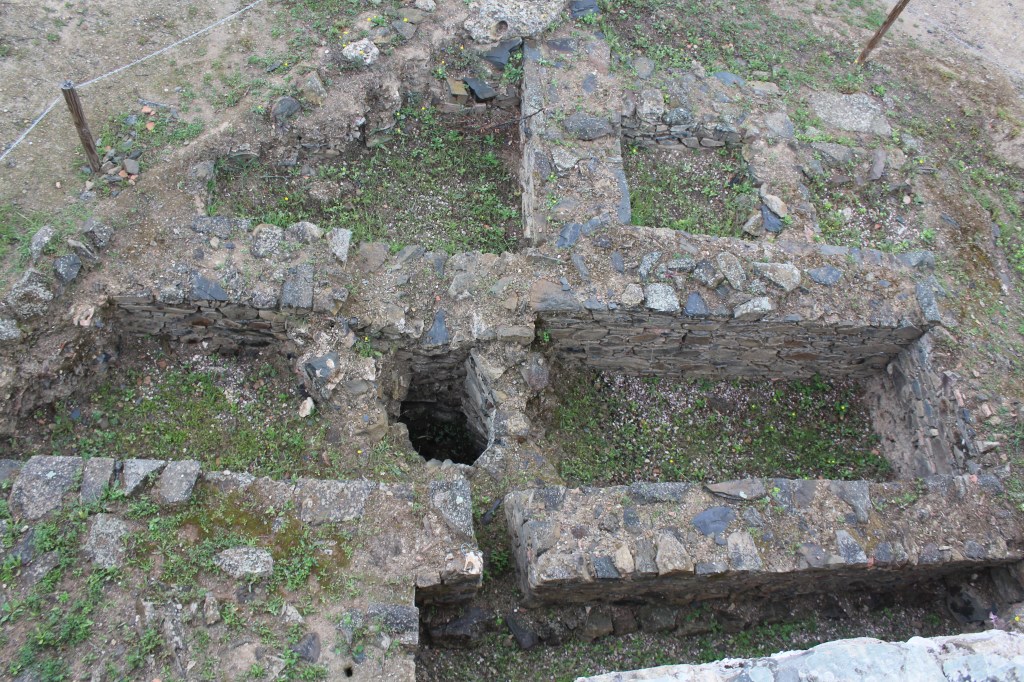
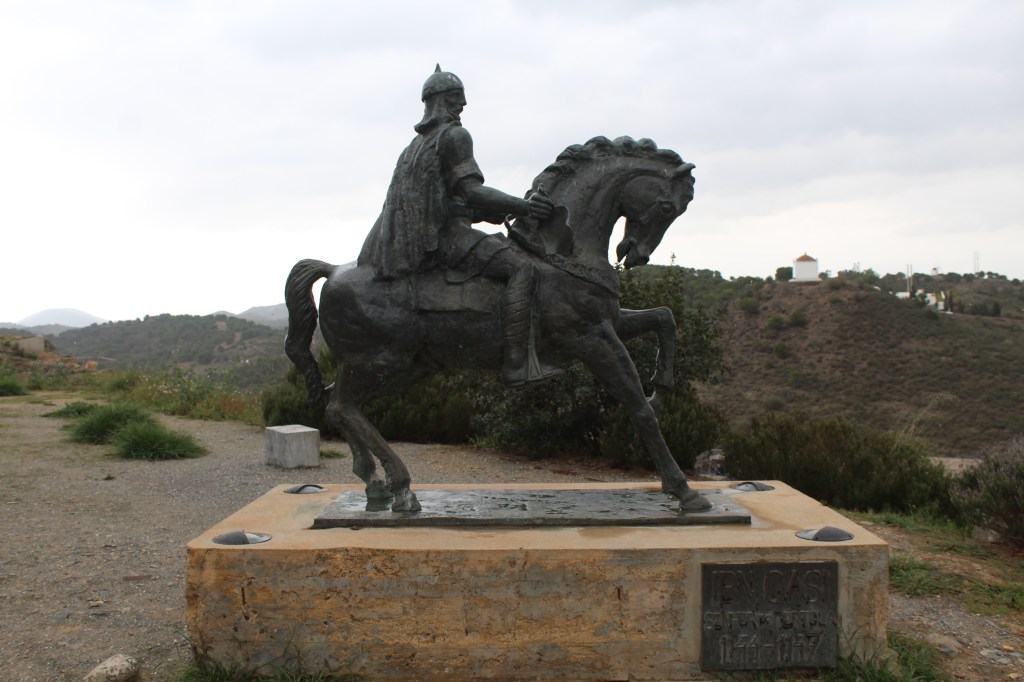
The archaeological excavations began in the late seventies and the information gathered by the archaeologist Estácio da Veiga at the beginning of the century showed a much older Mértola than the written sources testified. Buildings of great monumentality allow any visitor to recognize the presence of the Romans in what was then Mirtilis and Mina de S. Domingos. There are also several Roman-era buildings in Mértola and in the Mina de S. Domingos. The city already called Mírtilis Júlia after the Roman invasion of the Iberian Peninsula, then it was occupied by the Visigoths and then by the Muslims who called it Martulá (Mārtulah). Mértola was an important river port on the Guadiana River. During a short period of the 11th century, it was the capital of a small independent Islamic emirate, the Taifa de Mértola.
The small town was declared a Museum Village due to its vast archaeological collection and its historical importance. It is the seat of the sixth largest municipality in Portugal, where there are also natural beauties, such as the Parque Natural do Vale do Guadiana.
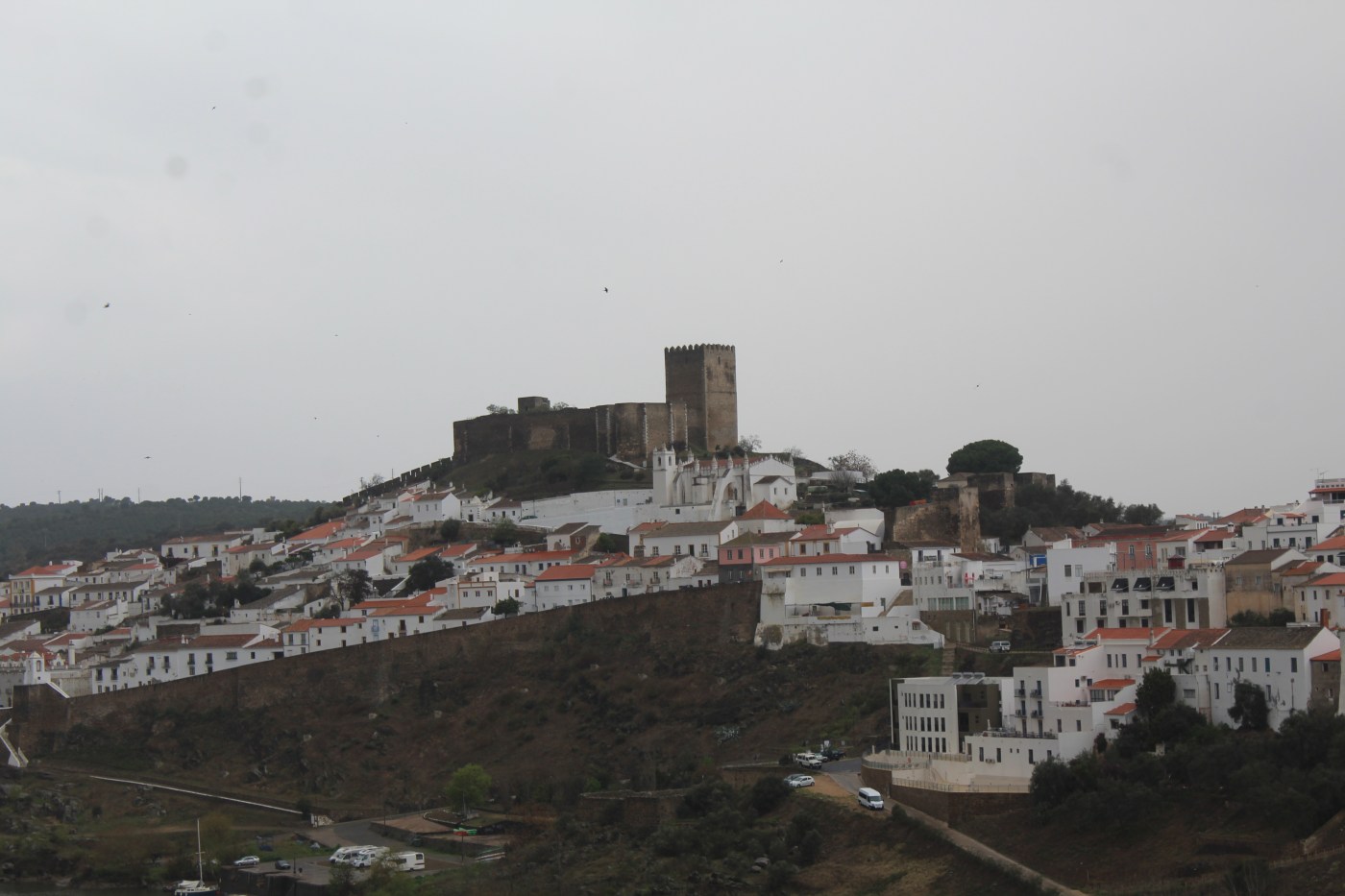
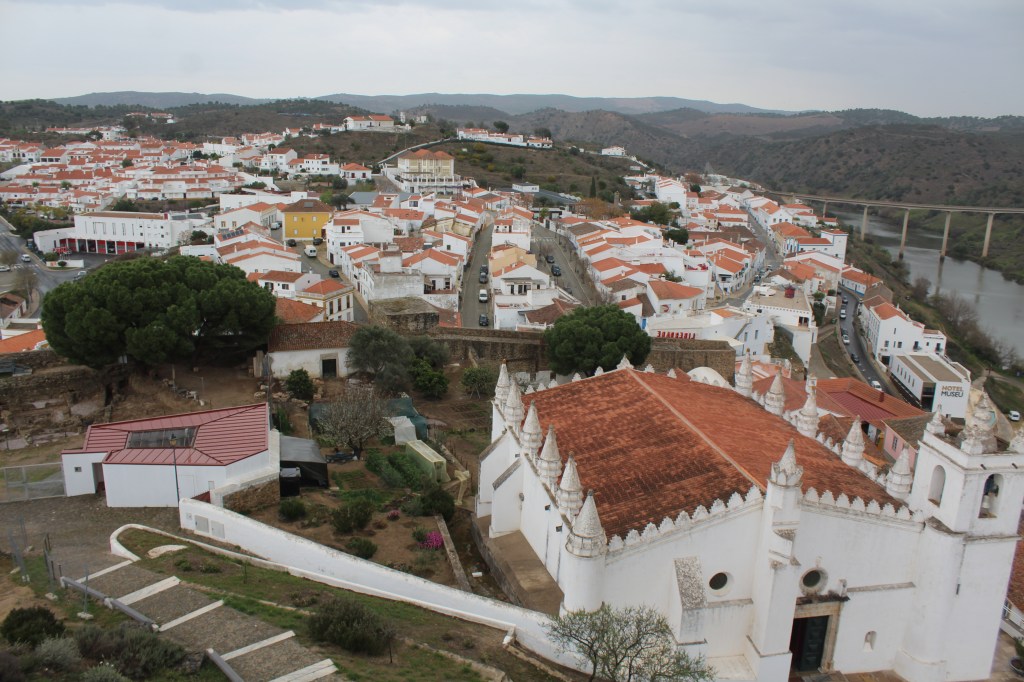
The village of Mértola makes up a beautiful setting on the banks of the Guadiana River. At the top of the hill, the castle of Mértola imposes itself on the beautiful harmonious set of the white city of whitewashed houses, surrounded by the wall. Mértola has a rich history, having been populated by various ethnic groups that arrived in the region in search of their minerals. There were the Phoenicians, Romans, Arabs, Visigoths and the Moors.
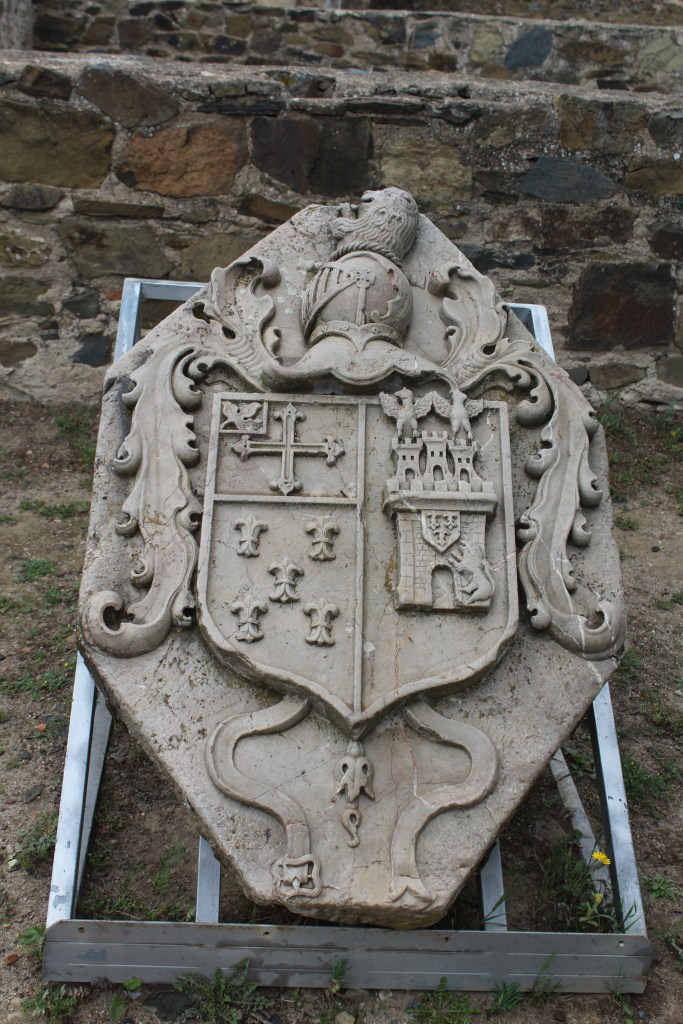
The city was reconquered by the Portuguese in 1238, at the time of the Christian Reconquest of the Iberian Peninsula, in the reign of Sancho II. After a period of oblivion, the village was revitalized and declared as an open museum of great historical importance.
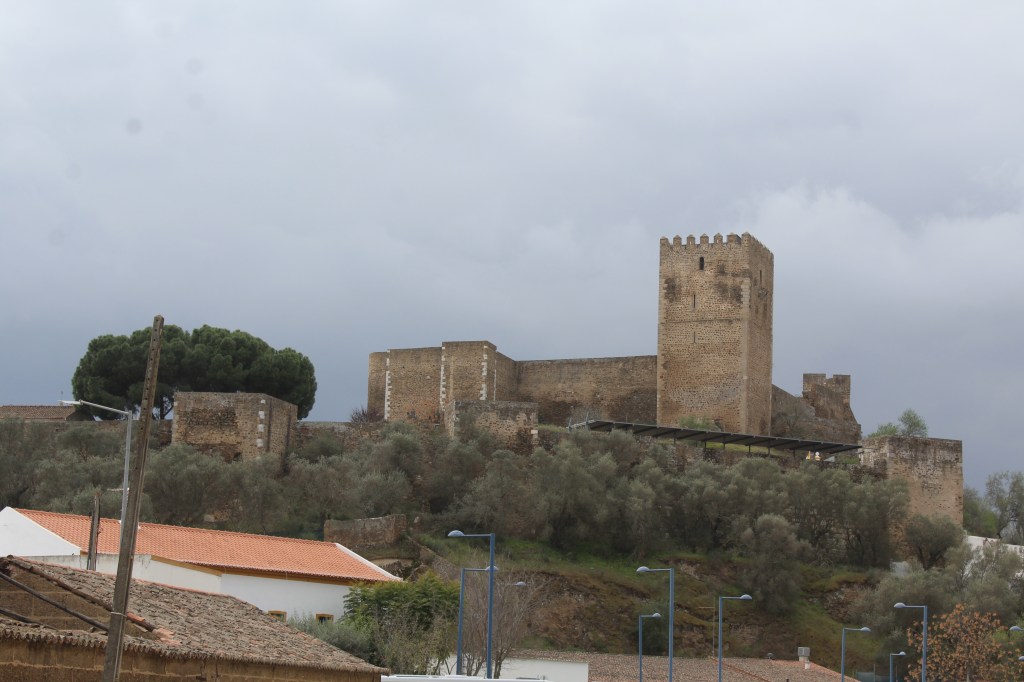
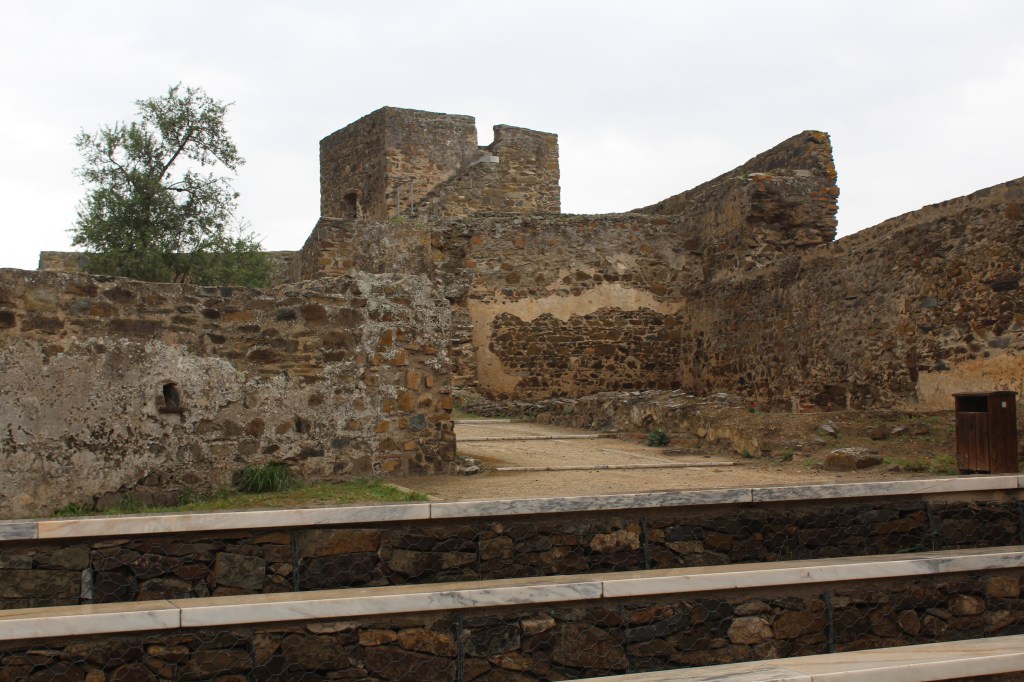
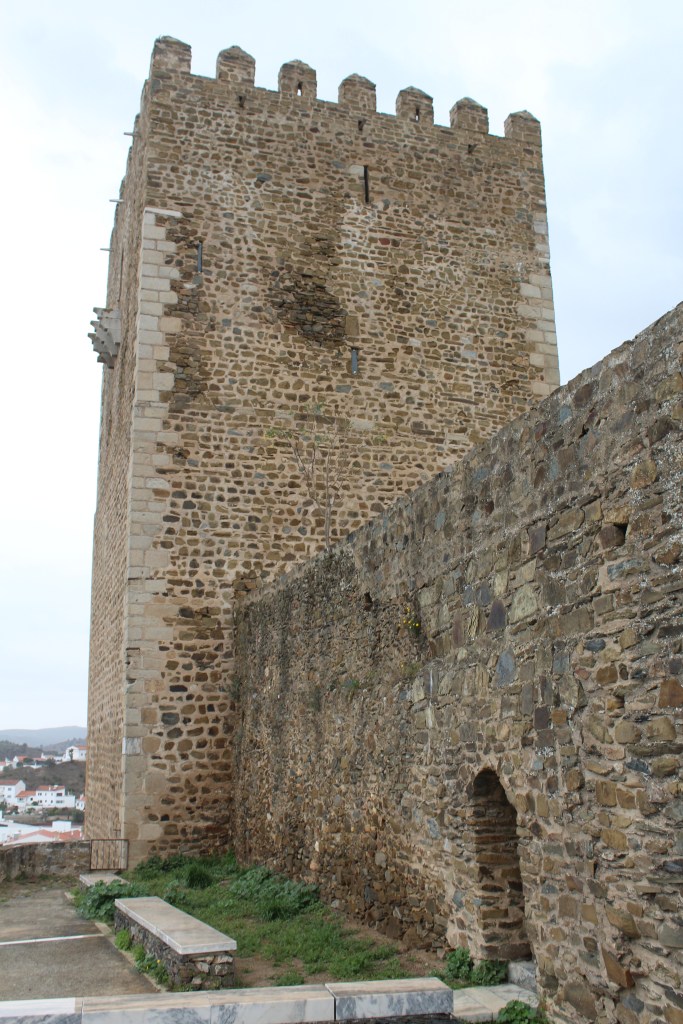
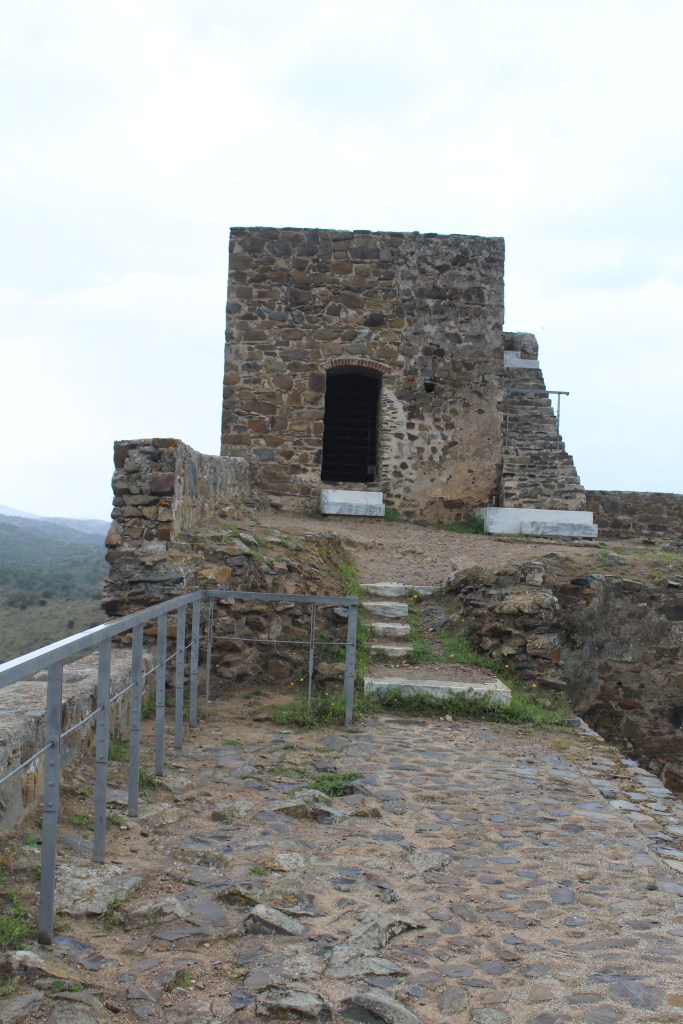
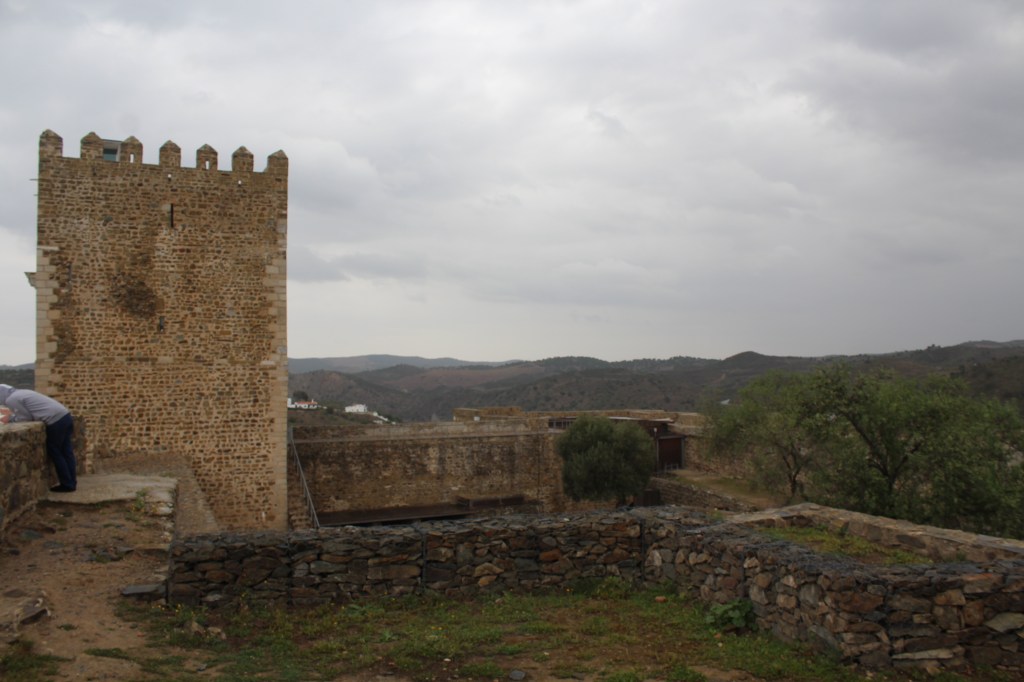
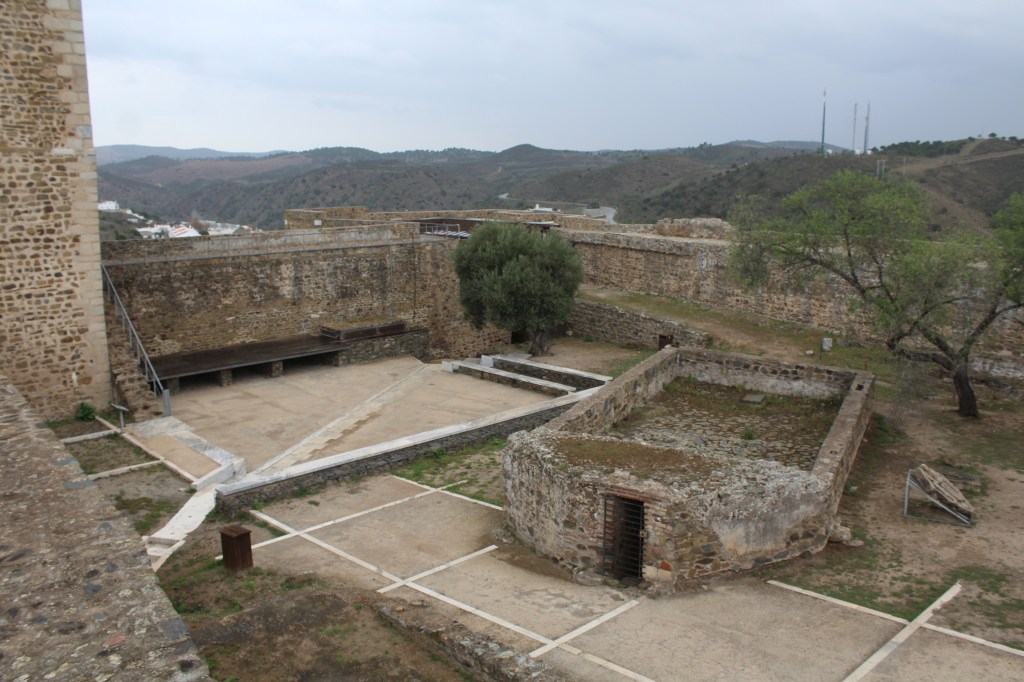
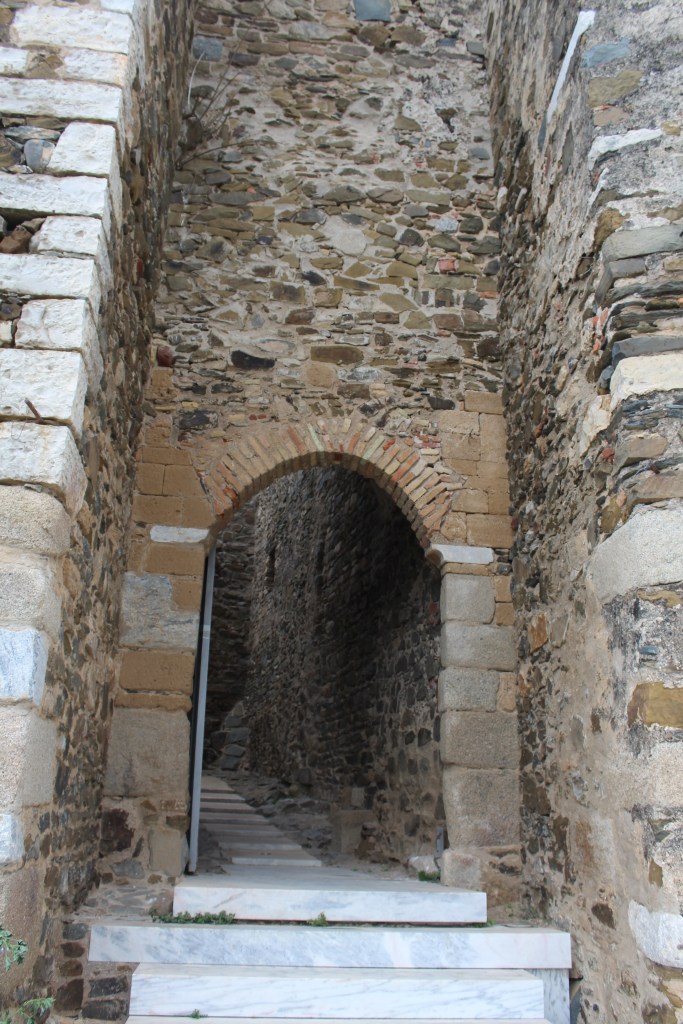
The main highlights are the castle and church located in the highest part of the city. It is estimated that its construction took place between 930 and 1031, during the Islamic period, when the city was an important river port between Mérida and the Atlantic. The Castle of Mértola is located in a dominant position on top of the mountain that integrates the city.
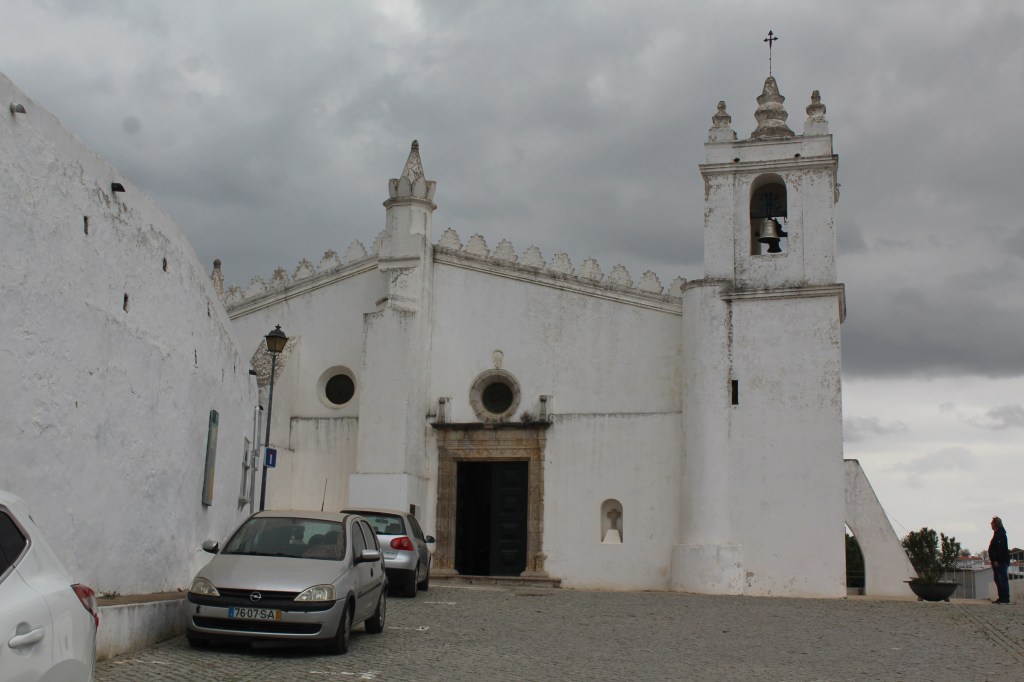
Igreja Matriz de Mértola was the Old Mosque at the time the city was occupied by the Islamic people. It is the only example of Islamic religious architecture in Portugal. It is all white, with a simple structure and details that remind you that it was once a mosque. It was built as a mosque in the 12th century, then remodeled as a Catholic temple in the 16th century and finally renovated in 1910.
The municipality of Mértola has an extensive cultural heritage and a wealth of environmental, hunting, cultural and sporting resources, which in the medium term will be an engine for the revitalization of the local economy, through investment in sustainable tourism, in which local institutions actively participate.
Photos & Text: Rainer Georgius




 Nature & Culture
Leave a comment